The rough fate of Kinmen Casuarina
Introduction of Casuarina equisetifolia
Casuarina is native to Australia. Due to its wind resistance, fast growth and tolerance to barrenness, it has been used as a windbreak tree species in southern mainland China and along the coast of Taiwan. It was introduced to Taiwan in 1897. As it has been planted for more than 100 years, Casuarina is not only the protagonist of Taiwan’s coastal forests, but also one of the street tree species. Due to its functionality and landscape value, no one regards it as an alien species.
Kinmen Afforestation
金門原本林木蔥鬱,但因其戰略地位重要,履成為兵家必爭之地。明末鄭氏以其為反清復明基地,為造戰船大舉伐木。因生產食鹽,亦有一說因採用傳統燒鹽方式煮海水燒鹽,致島上林木被伐盡。1949年國民政府退守台澎金馬時,以金門、馬祖為前線反攻基地,大量建設陣地、坑道。當時金門島上無太多林木,成童山濯濯之貌。由於夏季炎熱,秋冬有強大東北季風,且營區亦需天然植被遮,蔣介石總統便下令國軍造林。
據金門縣志記載,起初國軍運用相思樹、檸檬桉、木麻黃作為造林樹種。但因木麻黃生長快速,且屬耐貧瘠的生態系演替先驅樹種,因此造成最後有很大比例用上了木麻黃。現今金門縣政府產業發展處轄下之林務所,即為戰地政務時期因應造林工作,由防衛部成立的機關。
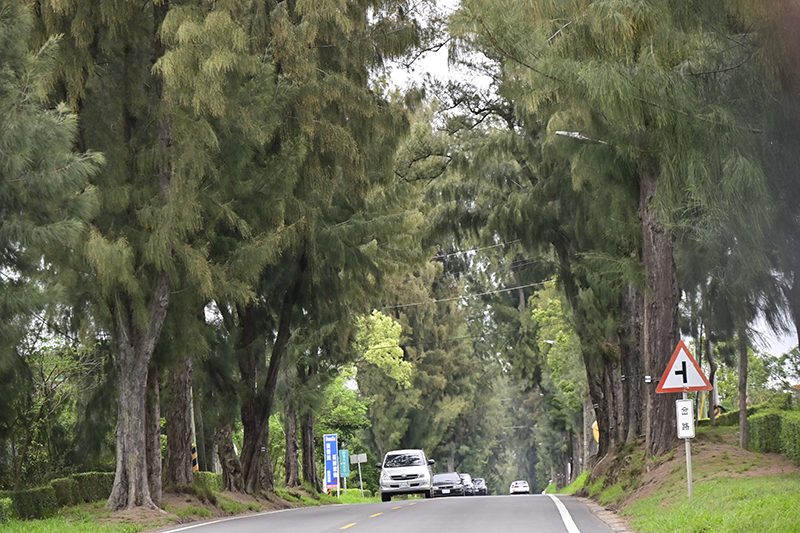
軍方造林與民間不同,軍令即下,使命必達,否則懲處連坐伺候。也因此,全金門迅速為綠色樹海覆蓋,條條道路皆為綠色隧道。
不只官方文獻記載了金門造林的歷史,金門縣烈嶼鄉退休教師洪清璋的部落格「烈嶼觀察筆記」,2013/12/26的《國軍造林》,亦記載國軍歷年造林的歷史見證。由於那個時代每完成一件大事,便會立碑記錄,因而留下許多證據,根本無從反駁。
金門有「海上公園」之名,國軍造林當居首功。
The disaster of Kinmen Green Tunnel
Every road is a green tunnel, and the drooping green twigs of Casuarina (the leaves of Casuarina have degenerated) look like cascading tassels at first glance. Moreover, in the era of the Cold War between the two sides of the Taiwan Strait, Casuarina also shouldered the heavy responsibility of people’s livelihood. On the frontline islands where supplies are scarce, the oily and abundant Casuarina branches and dead twigs are commonly used as firewood by the military and civilians for heating bath water and cooking meals. Most of the national army on the island are officers and soldiers who won the “Golden Horse Award” in Taiwan. Due to the regulations of battlefield administration, they can only return to Taiwan twice before retiring. Every night when standing guard, the thin branches of Casuarina trees fluttering in the wind often remind the soldiers of their homesickness. Indeed, the Casuarina trees in Kinmen can no longer be regarded as afforestation elements; they are inseparable from the battle culture.
Although the beautiful scenery with battle characteristics is worth appreciating for people outside the island, the residents of Kinmen who have lived here for many years and are restricted by wartime government affairs only hope that after the lifting of martial law, their lifestyle can be consistent with that of Taiwan’s “free areas”, and naturally turn a blind eye to the existence of Casuarinas. As a result, tourism development in Kinmen after the lifting of martial law was also limited to the narrow strengthening of hardware construction and widening of roads.
In 1992, Kinmen lifted its wartime administration, and the construction of high-rise buildings and widening of roads on the island were like uncontrolled wild horses, so the green tunnel quickly disappeared. Before people had a chance to appreciate the battlefield style, Kinmen’s main roads such as Huandao East Road, Boyu Road, Huandao South Road…etc. all lost their green tunnels due to widening.
Typhoon Dan caused the destruction of Casuarina trees
Due to the lack of awareness of in-depth tourism, Kinmen quickly fell into a development dilemma in less than ten years. At this time, hardware construction also began to slow down. There are still many roads with green tunnels, but due to logging to obtain land for building new houses, Kinmen is no longer the continuous sea of trees it used to have. Typhoon Dann hit Kinmen in 1999, which marked the beginning of the destruction of the Casuarina trees in Kinmen.
Dann was only a moderate typhoon, but the center of the typhoon was only 50 kilometers away from Kinmen. The roads on the island collapsed severely, blocking the road surface, causing land transportation to be interrupted for a week. So Casuarina was accused of a new crime:
- The Kinmen Casuarina has been planted for more than 40 years and has reached the end of its lifespan.
- Many Casuarina trees are hollow, so if they are dangerous as roadside trees, they should be cut down.
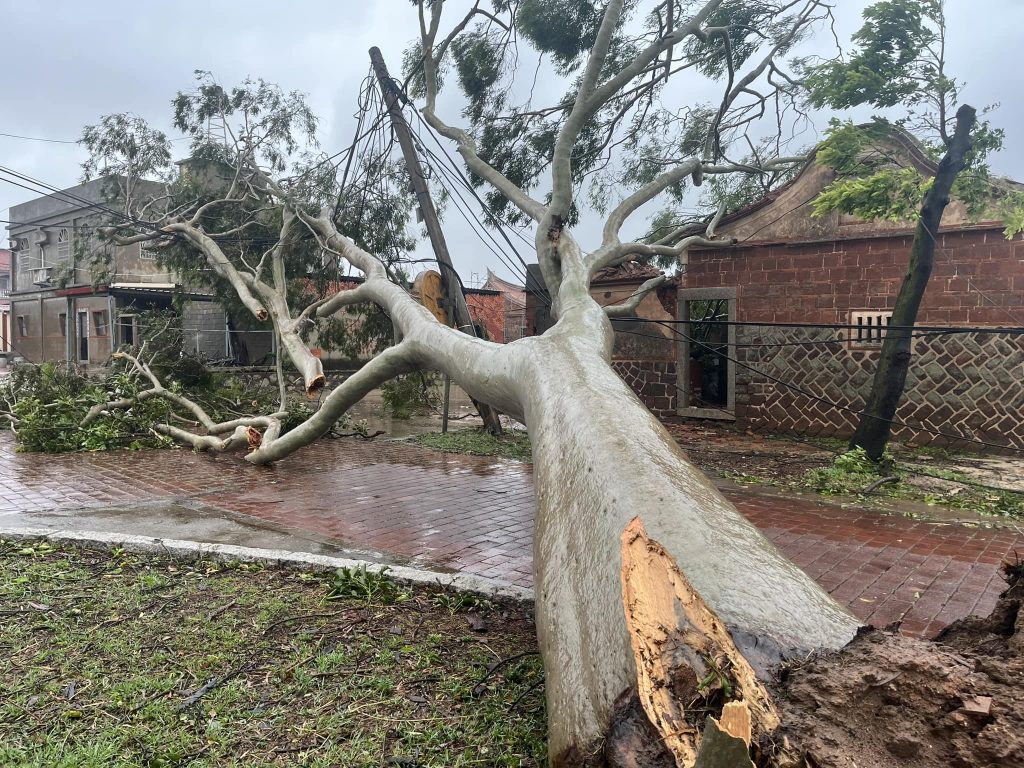
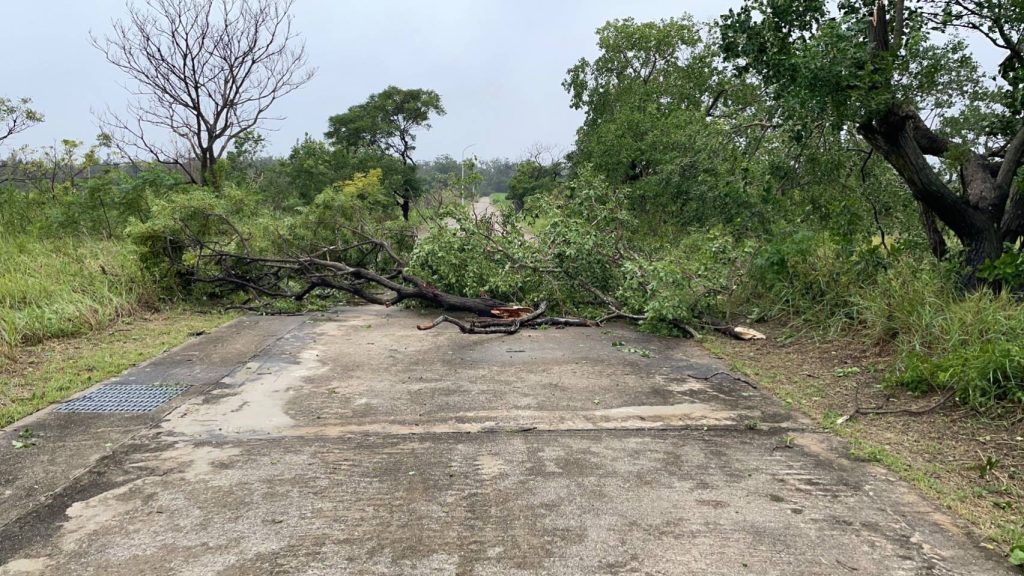
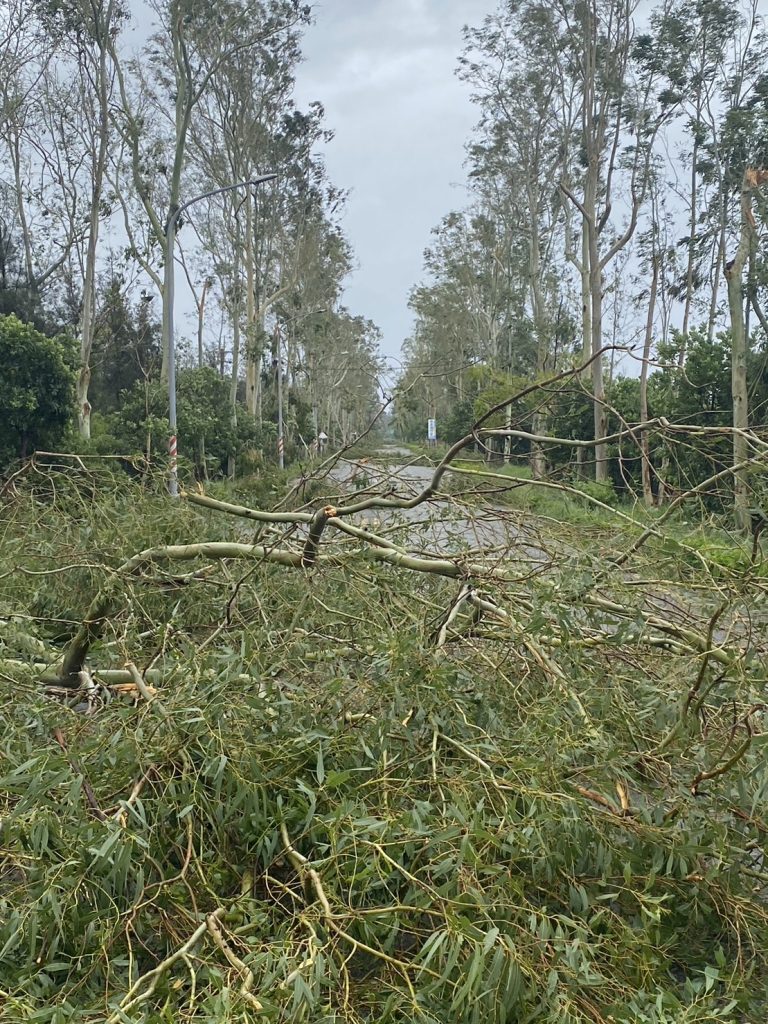
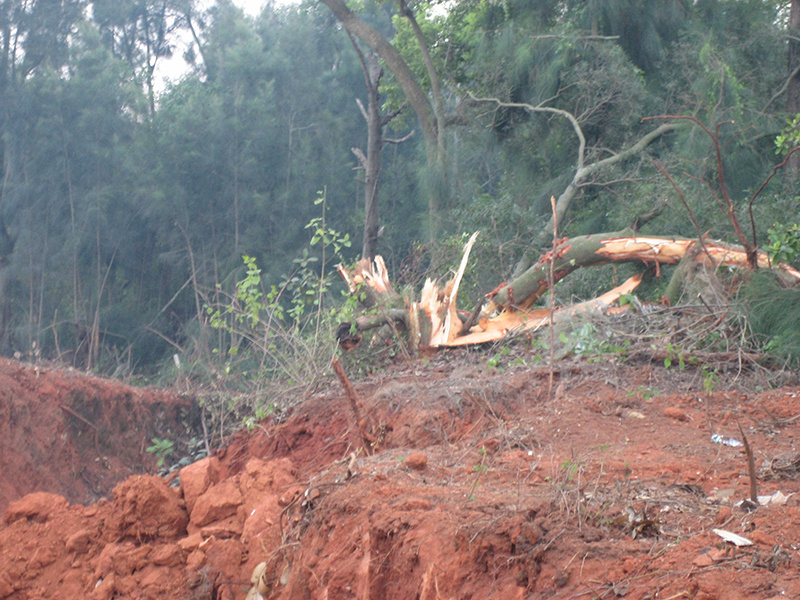
Dane’s invasion was just an excuse, but the typhoon became the reason to destroy the Casuarina trees on the island, so the Casuarina trees began to be cut down. In the end, only the Casuarina green tunnel from the National Salvation Corps on Huandao North Road to the intersection of Huanzhong Road remained.
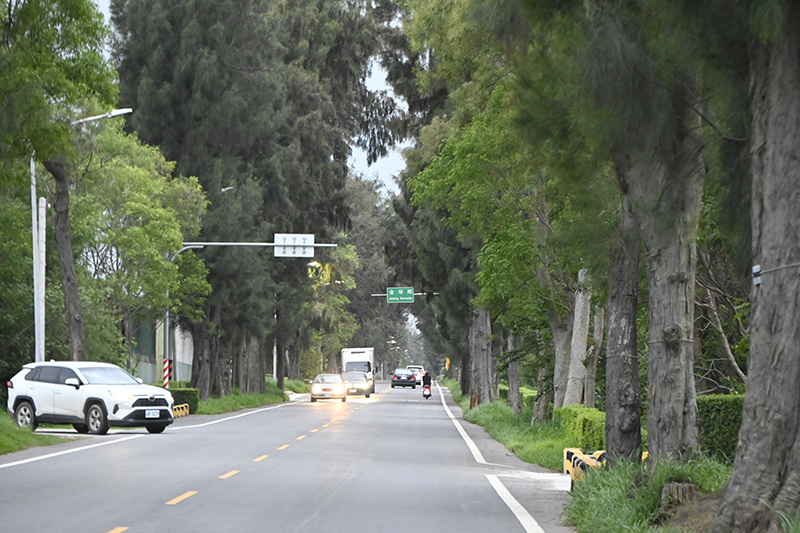
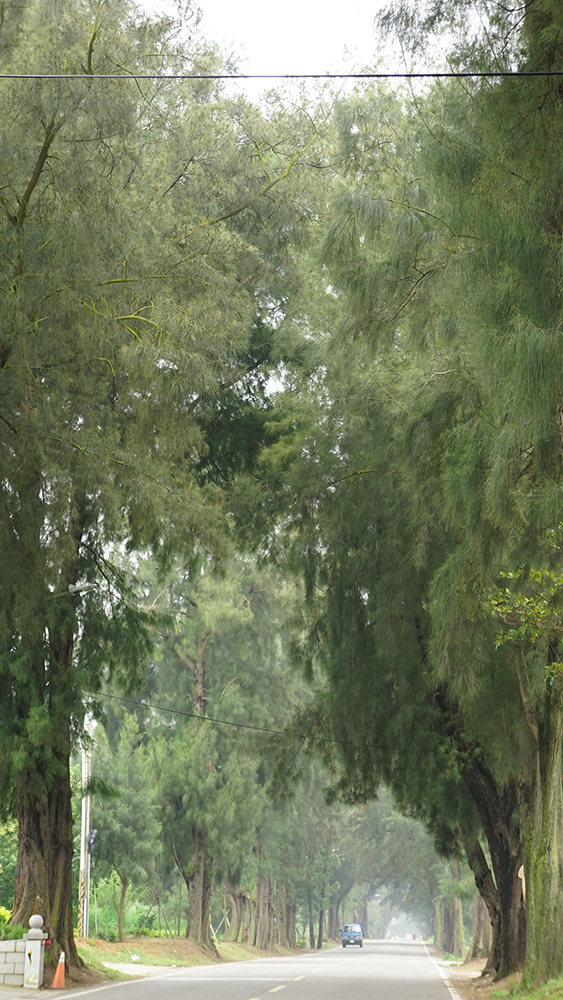
Although it is the only remaining fruit, it is in danger. The residents of Panshan have been petitioning to widen the North Ring Road to promote the prosperity of Panshan Village. Students from the nearby Kinmen University have also been involved in frequent traffic accidents due to speeding or illegal overtaking, all of which are blamed on the uncut Casuarina trees on the North Ring Road.
On July 13, 2017, the North Ring Road was widened and 130 Casuarina trees were cut down from the Youth Activity Center to Linhu Road and the section north of Gaokeng, sparking protests from tree protectors. County Councillor Chen Yu-chen arrived to express her concern (currently a KMT legislator from Kinmen).
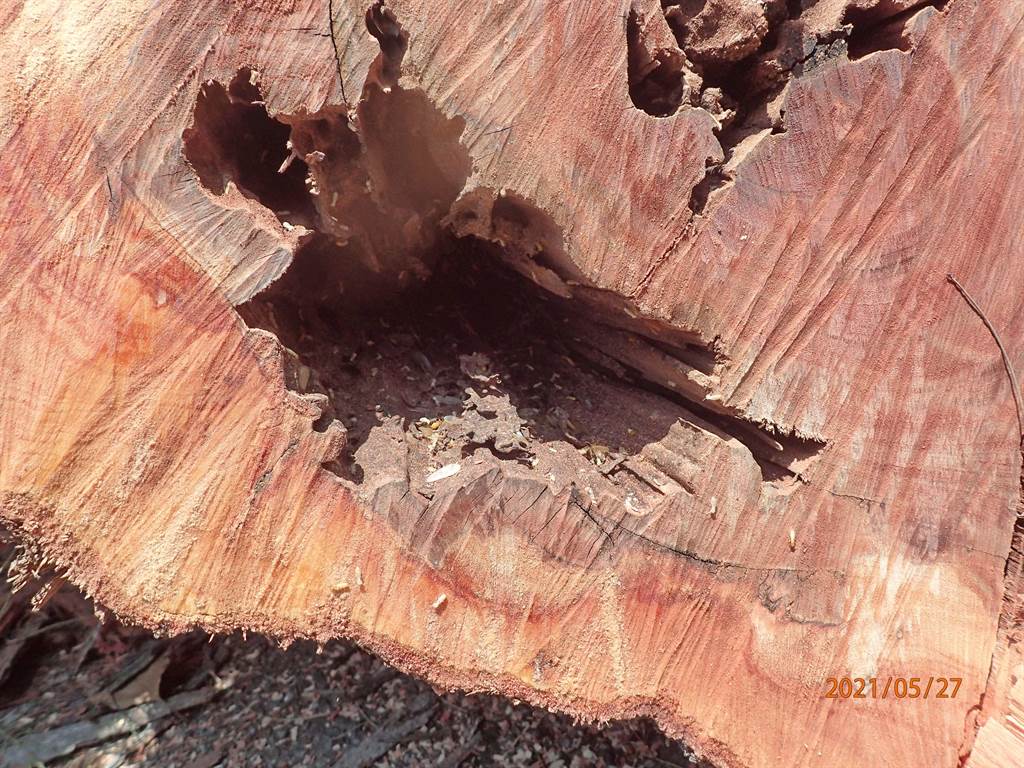
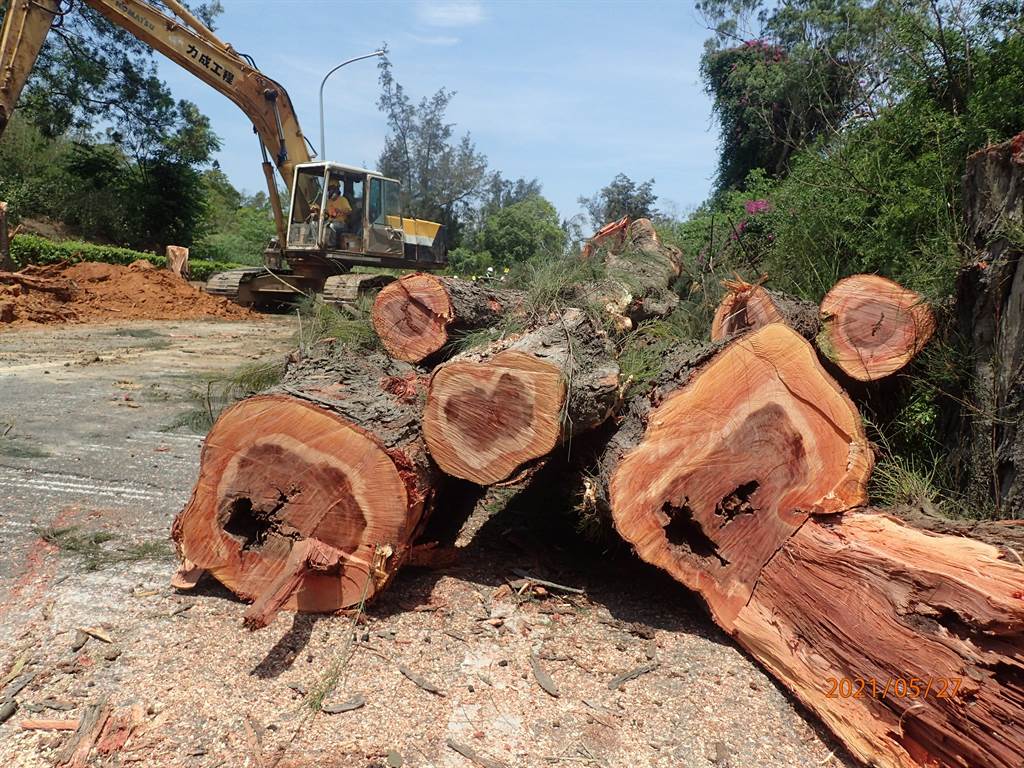
The residents of Panshan Village have been petitioning for years to widen the North Ring Road. In 2021, the country entered the third-level alert for the COVID-19 epidemic, and non-essential gatherings were banned. The county government took advantage of the fact that tree protectors were unable to gather for protest and cut down 177 Casuarina trees on May 27. Only the section from Kinmen University to Qionglin of the Green Tunnel remains. The press release issued by the county government included photos of felled Casuarina trees, showing termites in the heart of the tree, and added another reason for the felling: the Casuarina trees were severely infested by termites and were at the end of their life.
The origin of Casuarina equisetifolia ecological science
Official misleading knowledge about Casuarina biology should be clarified with science.
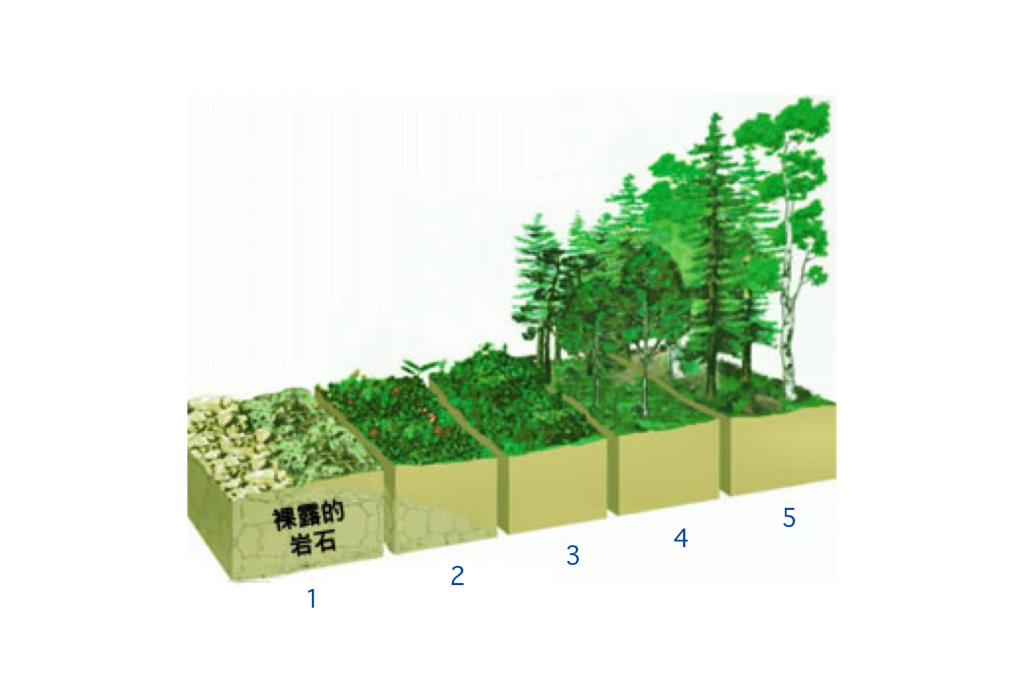
Common knowledge about succession of forest ecosystems
The process of ecosystem from scratch to maturity:
- There is only gravel on the surface of the land, but with sufficient rainfall, annual herbs will appear and fix nitrogen in the air.
- Dead herbs rot and form topsoil. When nutrients are sufficient, bushes appear.
- Forest pioneer tree species are resistant to barrenness, require strong light for seedling growth, and grow quickly. They are called positive tree species and occupy the ecosystem first. Casuarina is a positive tree species.
- When positive tree species grow into forests and create shade, negative tree species that are tolerant to low light sources and grow slower begin to invade and gradually replace the positive tree species.
- A mature forest ecosystem is formed.
Questions about Casuarina aging



Second year of the trunk
- All woody plants are perennial and can live for a hundred or even a thousand years. Casuarina is no exception, and there has never been any scientific claim that the lifespan of Casuarina is only thirty or forty years.
- The picture on the left is a cross-section of the trunk of a general woody plant. All plants have a circle of living cells that are constantly dividing and differentiating, called the cambium.
- The cambium cells divide inward and differentiate into xylem, which is a hollow continuous cell responsible for transporting water absorbed by the roots to the branches and leaves.
- The cambium undergoes cell division outward and differentiates into phloem, which is living cells filled with cell sap.
- The cambium differentiates into new xylem and phloem every year, and the surface looks like a circle of color wheel, which is commonly known as the annual ring. Xylem cells will die as they age, but their function of transporting water remains. This part is the main part of the wood, also known as the heartwood.
- As the new layer of phloem grows outward, the outermost layer of the old part will break and fall off, and there will always be only one new layer of living cells, which constitutes the main part of the bark.
- Therefore, since the xylem is a dead cell, it will become hollow due to the damage caused by fungi and termites over time. This is not harmful to the tree because fungi and termites do not eat living tissue.
- Therefore, many sacred trees and old trees seen in Taiwan have hollow cores, which is a normal phenomenon.
Termites coexist peacefully with trees in the ecosystem. For related research, please see:
Diversity and damage patterns of termites in the Taiwan Tropical Botanical Garden
Download the full text
https://tpl.ncl.edu.tw/NclService/JournalContentDetail?SysId=A13006414
The photo of Casuarinas cut down on Huandao North Road on May 27, 2021 shows that the wood is rosy and the heartwood is very small, indicating that the Casuarinas in the area are still in a strong state of vitality. The termites only eat the dead cells in the heart of the tree, which accounts for a very small proportion and does not harm the Casuarina equisetifolia.
Evidence that Casuarina is not old
- All living things have the ability to maintain their reproductive ability when they are young and vigorous.
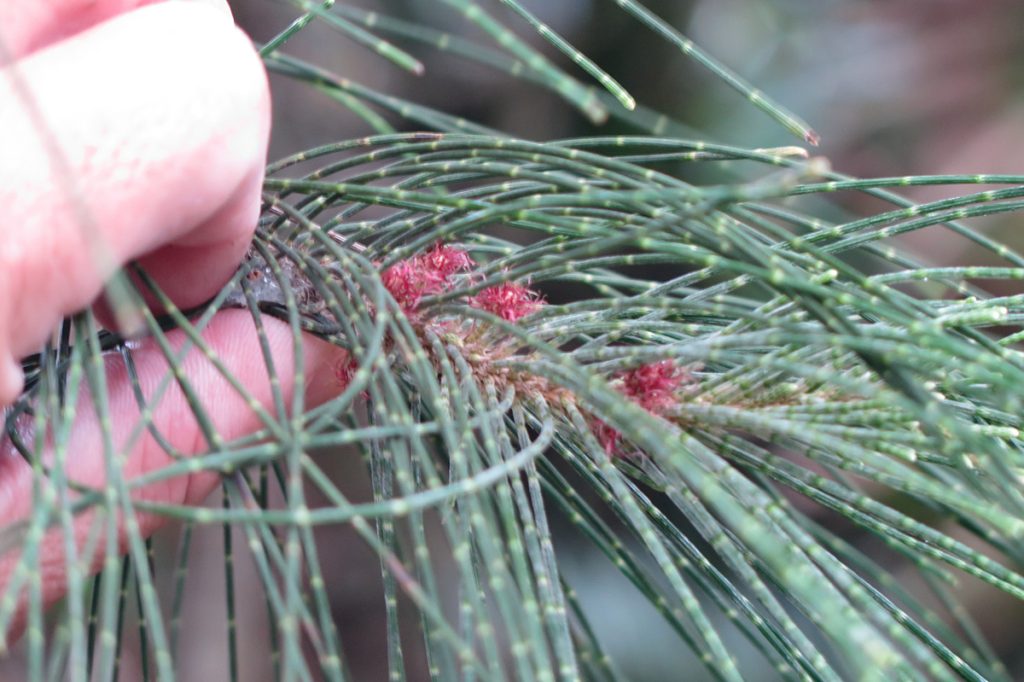
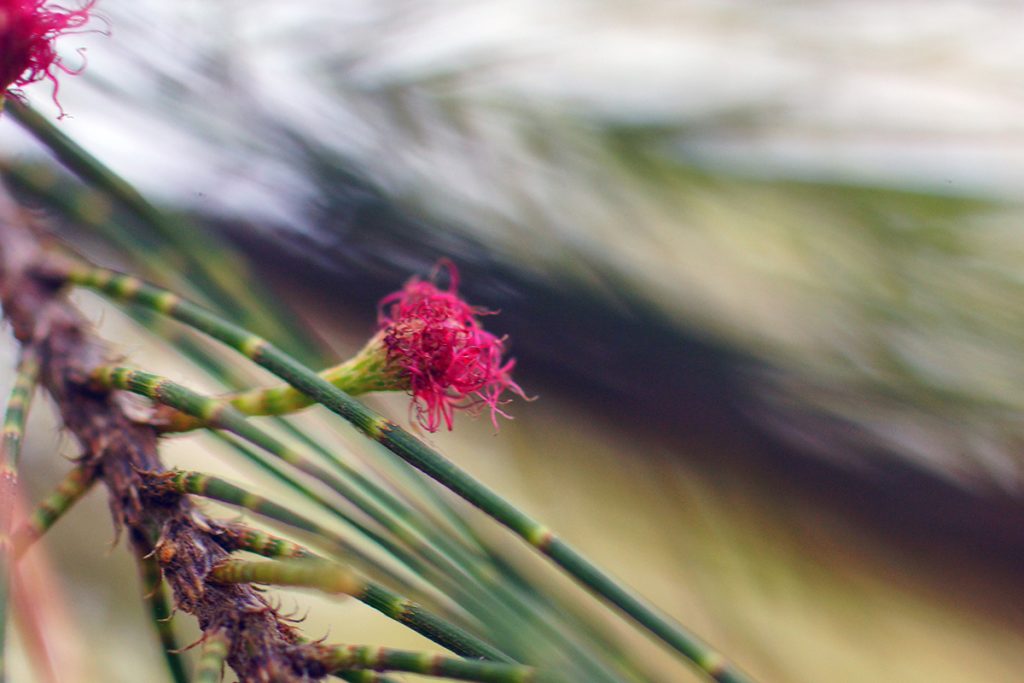
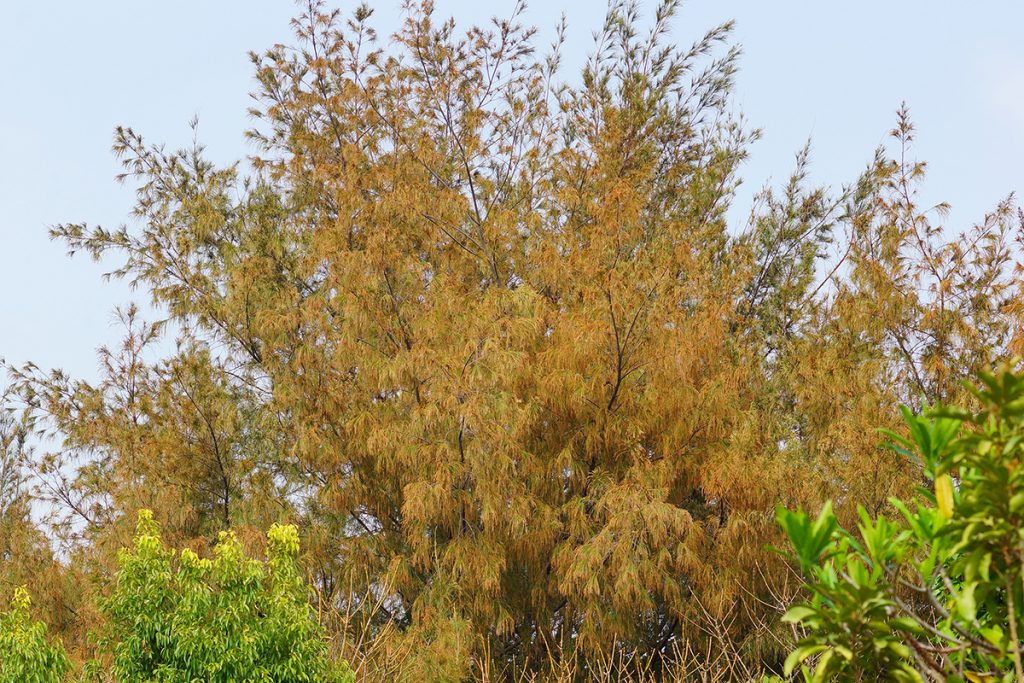
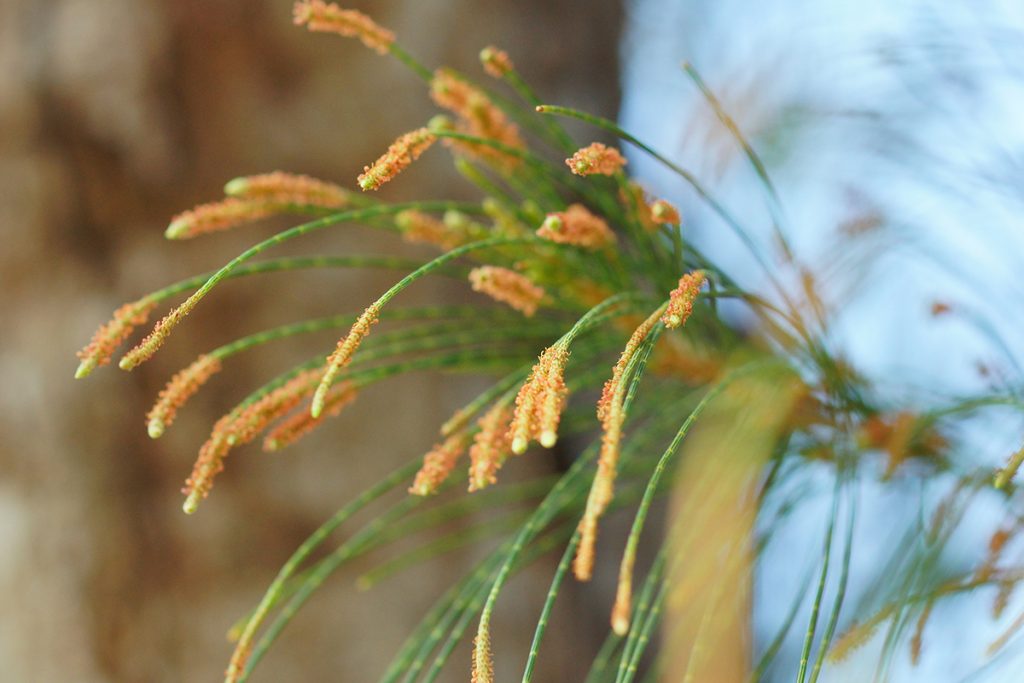
- The Casuarinas in Kinmen bloom and bear fruit every year. Casuarina equisetifolia is dioecious, with female flowers in red capitula and male flowers in catkins.
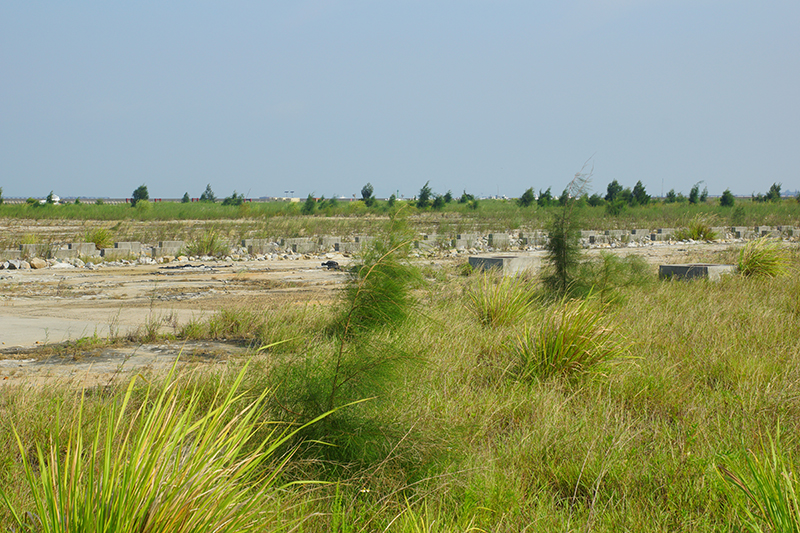
- Although it is a positive tree species, due to the simple ecosystem of the island, the Casuarinas in Kinmen have not shown any signs of decline, and small seedlings can be found growing in open spaces.
As for the physics of Dane’s storm
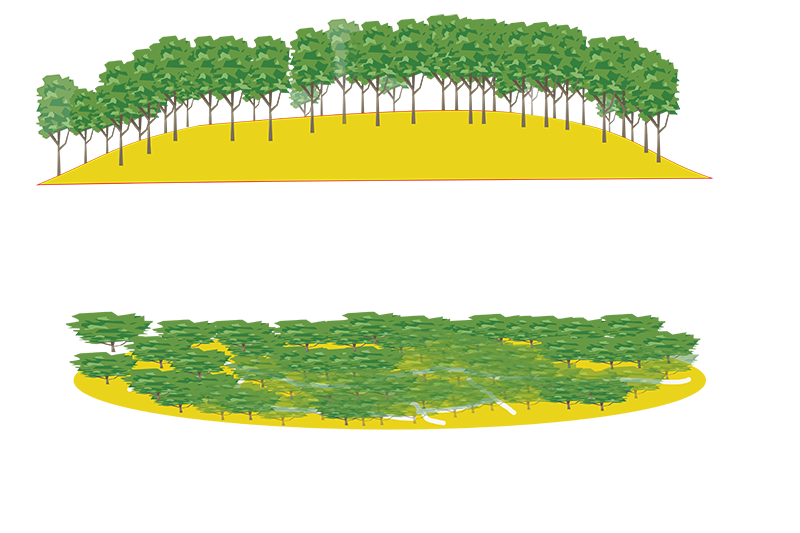
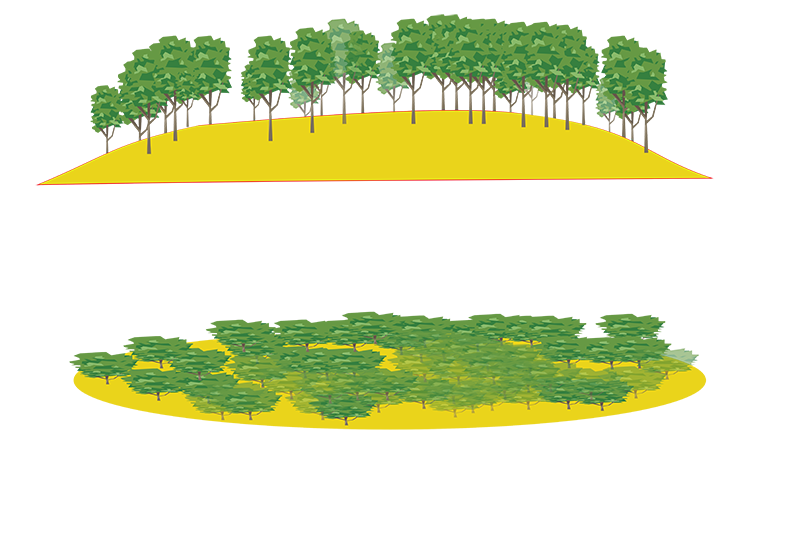
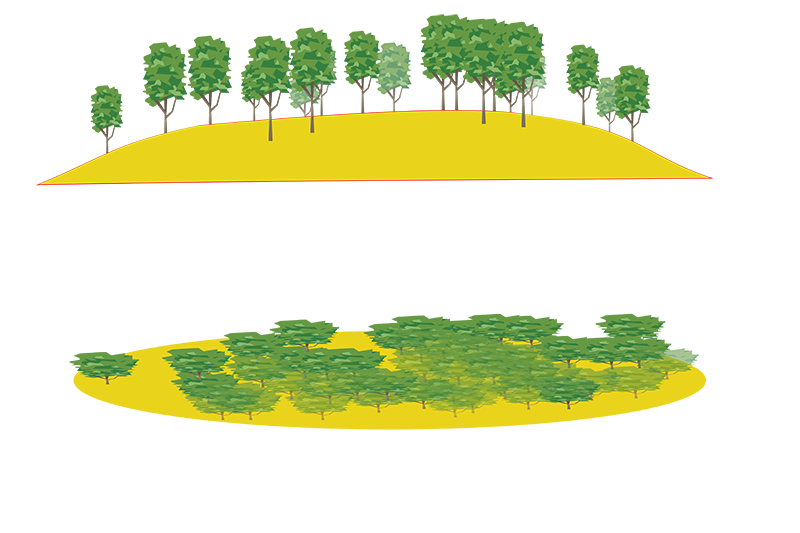
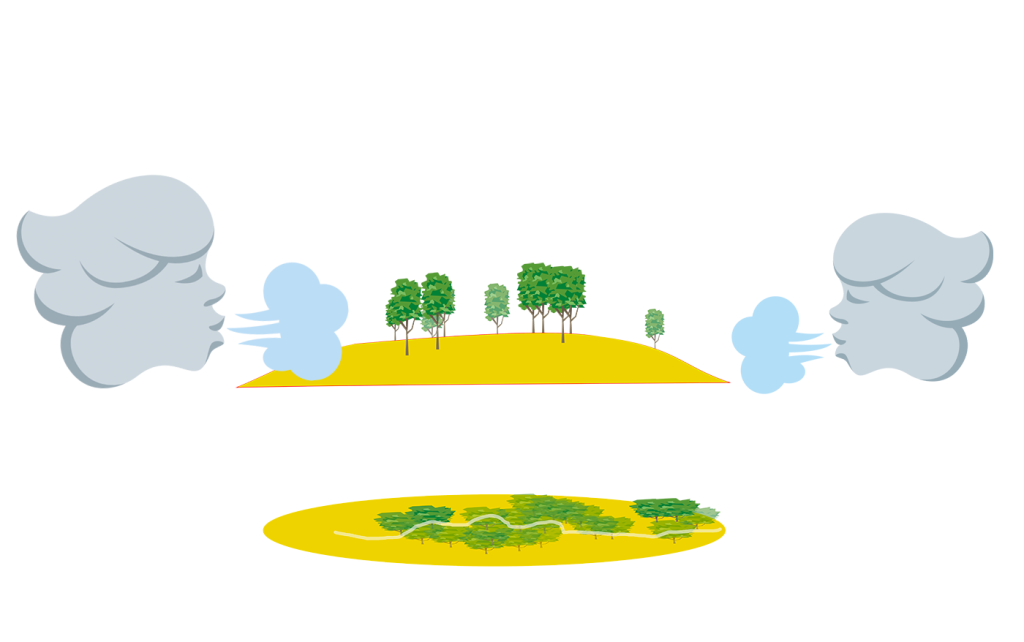
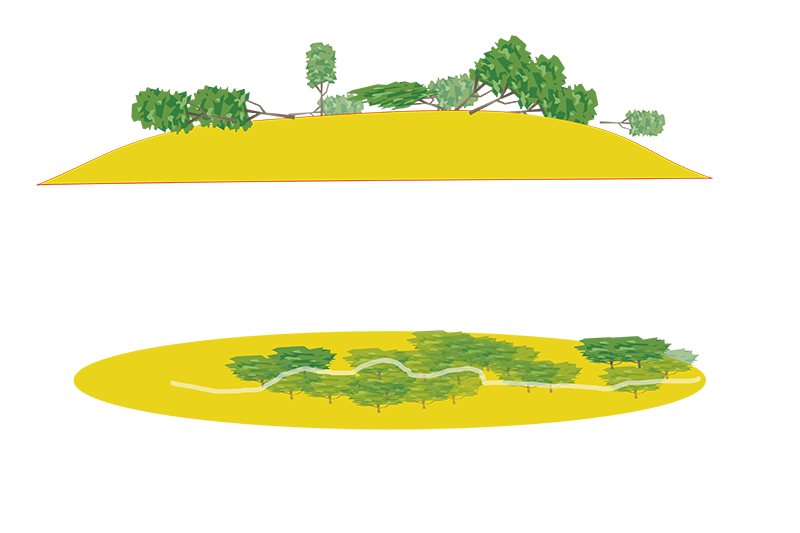
During the wartime period, Kinmen was hit by typhoons stronger than Dann and even severe typhoons, but never a disaster as severe as Dann. From the principles of physics, it is clear that the continuous sea of trees can effectively buffer the wind. Only the trees on the periphery of the island will fall down, and the core of the island is protected. However, after logging was allowed, the continuous barrier disappeared, and strong winds could penetrate directly into the core of the island. Many trees were isolated, and Casuarina is a hard wood that will break when faced with wind.

Moderator related videos