別再寵金門Stop pampering Kinmen
金門於1992年解除戰地政務,台灣的民眾期待一訪傳說中的戰地前線,被數十年軍管限制的金門百姓,解放有如脫韁野馬,也想在軍人經濟之外,發展觀光事業。一方面看到台灣與世界各地觀光的建設模式,另一方面也要享有現代化生活。於是大興土木,希望以完善的設施、便捷的交通與現代化的風貌迎接前來旅遊的嬌客。當時令人印象最深的,就是木麻黃林一片片地倒下,許多池塘、濕地被填平,而解除軍管的限建,居民紛紛搬出古厝,並在附近蓋起現代化樓房,或者全面翻修舊宅,平地起高樓。
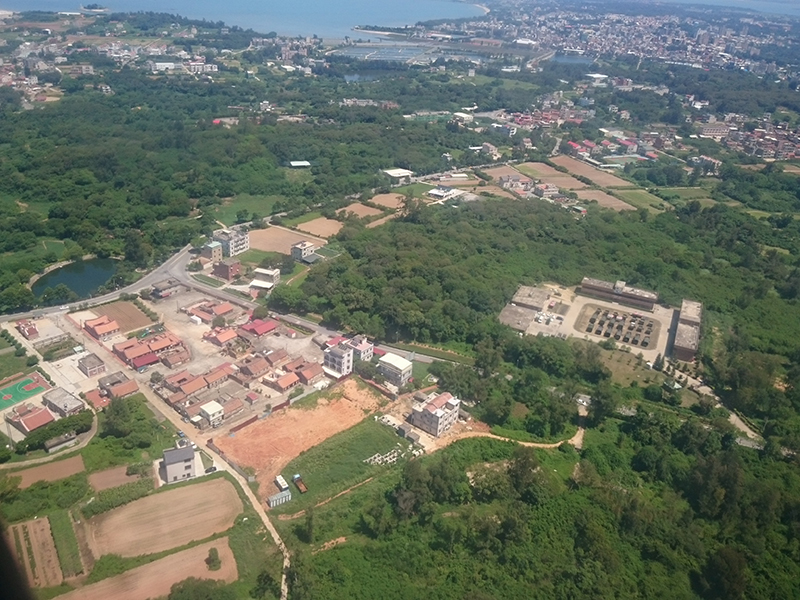
傳統聚落,沃野千里,優美古典的生活環境原本是金門的優勢
Kinmen lifted its wartime administration in 1992, and the Taiwanese people are looking forward to visiting the legendary battlefield front. The people of Kinmen, who have been restricted by martial law for decades, are like wild horses running free after being liberated, and they also want to develop tourism in addition to the military economy. On the one hand, we see the tourism development model of Taiwan and other parts of the world, and on the other hand, we also enjoy modern life. So they started a massive construction project, hoping to welcome tourists with complete facilities, convenient transportation and a modern appearance. What impressed people most at that time was that the Casuarina forests fell down one after another, and many ponds and wetlands were filled in. When the construction restrictions under martial law were lifted, residents moved out of the old houses and built modern buildings nearby, or completely renovated the old houses and erected high-rise buildings on flat land.
解嚴十年間,道路變得又寬又直,機場也擴建不少,旅館如雨後春筍般興起,金門從未出現過的遊覽車也到處跑。可是原本遮擋烈日強風又賞心悅目的綠色隧道沒有了,有如民初古裝劇場景的閩南聚落參雜了現代化樓房。做慣了阿兵哥生意的金門不懂行銷、服務品質、哄抬物價也讓人卻步。發展觀光沒幾年,台灣民眾爭睹戰地神秘面紗的熱潮迅速消退,雖然金門國家公園在解嚴之初成立,但計畫範圍只佔金門總面積的四分之一,且區域零散,能保存原貌與生態的地方有限,而且在急於硬體發展的金門人眼中,國家公園的限制彷彿絆腳石、眼中釘,造成每次通盤檢討,就要劃出一些聚落,結果只讓金門的原有風貌每況愈下。
In the ten years since martial law was lifted, roads have become wider and straighter, the airport has been expanded significantly, hotels have sprung up like mushrooms after a rain, and tour buses, which had never appeared in Kinmen before, are now running everywhere. However, the green tunnel that originally blocked the scorching sun and strong wind and was pleasing to the eye is gone, and the Minnan settlement that looked like a scene from an ancient costume drama in the early Republic of China is now mixed with modern buildings. Kinmen, which is used to doing business with soldiers, does not understand marketing, service quality, and price gouging, which is also discouraging. Within a few years of tourism development, the enthusiasm of Taiwanese people to see the mysterious battlefield quickly faded. Although Kinmen National Park was established at the beginning of the lifting of martial law, the project scope only accounts for a quarter of Kinmen’s total area, and the area is scattered, with limited places to preserve the original appearance and ecology. Moreover, in the eyes of Kinmen people who are eager for hardware development, the restrictions of the national park seem to be a stumbling block and a thorn in the eye, resulting in the demarcation of some settlements every time a comprehensive review is conducted, which only makes Kinmen’s original appearance deteriorate.
民國89年部隊進行精實案,許多單位被縮編、整併。民國93年精進案實施,許多單位被裁撤消失,至民國96年已無旅級單位。對觀光已經走下坡的金門,頓失長久依賴的軍人經濟,民生雪上加霜,看好兩岸關係的日趨和平,加上金門福建私下通貨已久,於是在公元2000年祭出了小三通,希望振興金門的經濟。但當時民進黨執政,小三通變成阻擋大三通的工具,雖然飛機航班不斷增加,水頭船隻班班客滿,但搭乘的幾乎都是台商,這些台商佔去了觀光客與鄉親的機位,使得遊子返鄉訂票不易,觀光客旅遊計劃受到波及。這些台商談生意的行程分秒必爭,根本不會進入金門島內做任何消費或住宿。表面上小三通讓機場碼頭人聲鼎沸,實際上卻讓已經衰退的觀光每況愈下。從機場經桃園路、西海路、珠水路一路接駁車絡驛不絕,似有榮景,實際上金門的蕭條與冷清從西南往東北愈形嚴重,在最東北邊的官澳、青嶼、山后等村莊,除了偶見倚門呆望的年長老者,幾乎沒有人氣。
In 1990, the army underwent a streamlining project and many units were downsized and merged. In 2004, the Improvement Plan was implemented and many units were eliminated. By 2007, there were no brigade-level units. Kinmen, whose tourism industry has been declining, suddenly lost the military economy that it had long relied on, and people’s livelihood became even worse. Since they were optimistic about the increasingly peaceful cross-strait relations and the long-standing private currency exchange between Kinmen and Fujian, they launched the “Mini Three Links” in 2000 in the hope of revitalizing Kinmen’s economy. But the Democratic Progressive Party was in power at the time, and the mini-three links became a tool to block the big three links. Although the number of flights continued to increase and the Shuitou ships were full, almost all the passengers were Taiwanese businessmen. These Taiwanese businessmen took up seats for tourists and fellow villagers, making it difficult for overseas Chinese to book tickets to return home and affecting tourists’ travel plans. These Taiwanese businessmen are in a rush to negotiate business and will never enter Kinmen Island to make any purchases or stay overnight. On the surface, the mini three links have made airports and docks bustling with people, but in reality it has made the already declining tourism industry worse. There are endless shuttle buses from the airport along Taoyuan Road, Xihai Road, and Zhushui Road, which seems to be a prosperous scene. In fact, the depression and desolation of Kinmen become more serious from southwest to northeast. In the northeastern villages such as Guanao, Qingyu, and Shanhou, there are almost no people except for the occasional elderly person leaning against the door and staring blankly.
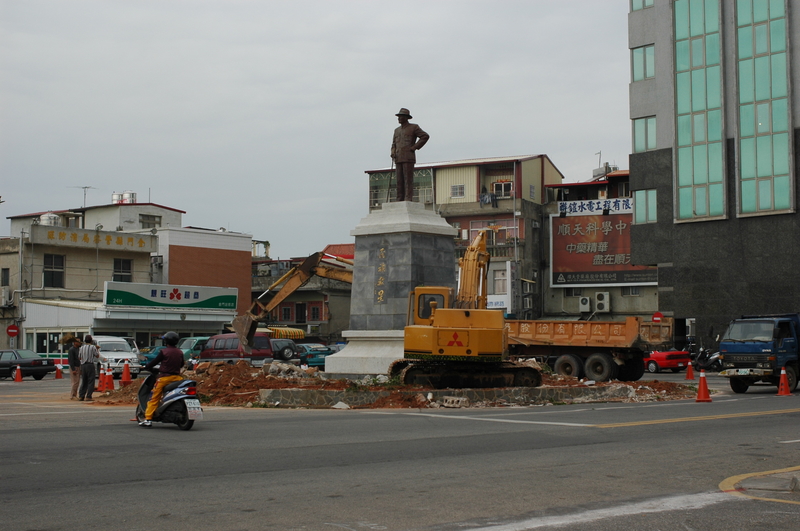
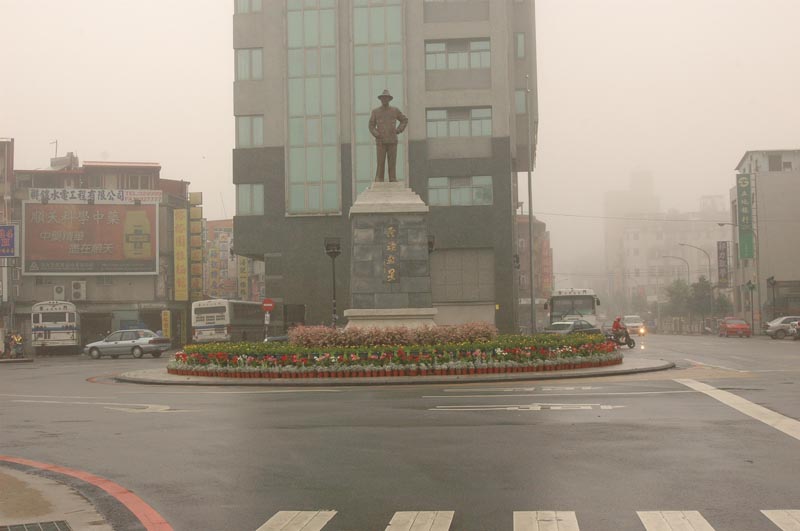
但政府對偏鄉的「照顧」,通常不考慮文化、生態、教育,尤其對離島,幾乎一致性地以挹注大量經費為手段,金錢帶來建設,也帶來破壞。小小一個金門島,僅憑金門酒廠的收入就可以讓金門縣政府零負債,讓金門縣民每個看病不要自付額,連公車船隻都免票的情況。在民國90年前後,島上出現許多不必要,或重複性的建設,例如金城車站旁的蔣公銅像圓環,原本是一個可供憩,數棵榕樹圍繞的小空間,忽然遭縣府推倒榕樹,重塑建物,變成沒有人可立足的廣告看板;另金城鎮公所前人行道,也全面翻修換成石板舖面,其他做了又拆,拆了重做的工程也不少,金門真的需要離島建設基金麼?
However, the government’s “care” for remote areas usually does not take culture, ecology, and education into consideration. This is especially true for outlying islands, where the government almost always uses large amounts of funding as a means of care. Money brings construction, but also destruction. Kinmen Island is so small, but the income from the Kinmen Distillery alone is enough to make the Kinmen County Government debt-free, so that Kinmen County residents don’t have to pay for medical treatment, and even buses and boats are free. Around 1011, many unnecessary or repetitive constructions appeared on the island. For example, the bronze statue of Chiang Kai-shek next to Kinmen Station was originally a small space for resting, surrounded by several banyan trees. Suddenly, the county government knocked down the banyan trees and reshaped the building into an advertising billboard where no one could stand. In addition, the sidewalk in front of Kinmen Town Office was completely renovated and replaced with stone slabs. There are also many other projects that were built and then demolished, and then rebuilt. Does Kinmen really need an offshore island construction fund?
小三通畢竟還是養活了一些人,航空業、接駁業及機場碼頭的免稅商店,對金門雖然只有少部份的工作機會。但榮景在大三通實施後再度受到挑戰,台商在商言商,直航節省時間、金錢,提升了效率,當然不會再考慮小三通,所以去年小三通出現負成長,只要大陸不斷增加直航的城市,小三通最終不會是台商的首選。金門捨棄本就夠用的料羅深水港,犧牲水頭、后豐港的歷史文化、聚落風俗、景觀視野,以及世人視為活化石、藍金的鱟,興建一個汙積不斷的水頭商港,將來的運量還有可能萎縮,值得麽?
After all, the Mini Three Links do support some people, including the aviation industry, shuttle industry and duty-free shops at airports and terminals, although they only provide a small number of job opportunities for Kinmen. However, the prosperity was challenged again after the implementation of the big three links. Taiwanese businessmen are businessmen. Direct flights save time and money and improve efficiency. Of course, they will no longer consider the mini three links. Therefore, the mini three links showed negative growth last year. As long as the mainland continues to increase the number of cities with direct flights, the mini three links will eventually not be the first choice of Taiwanese businessmen. Kinmen abandoned the already sufficient Liaoluo deep-water port, sacrificed the history and culture, settlement customs, landscape of Shuitou and Houfeng ports, as well as the horseshoe crab, which is regarded as a living fossil and blue gold, to build a Shuitou commercial port with constant pollution. The shipping volume may even shrink in the future. Is it worth it?
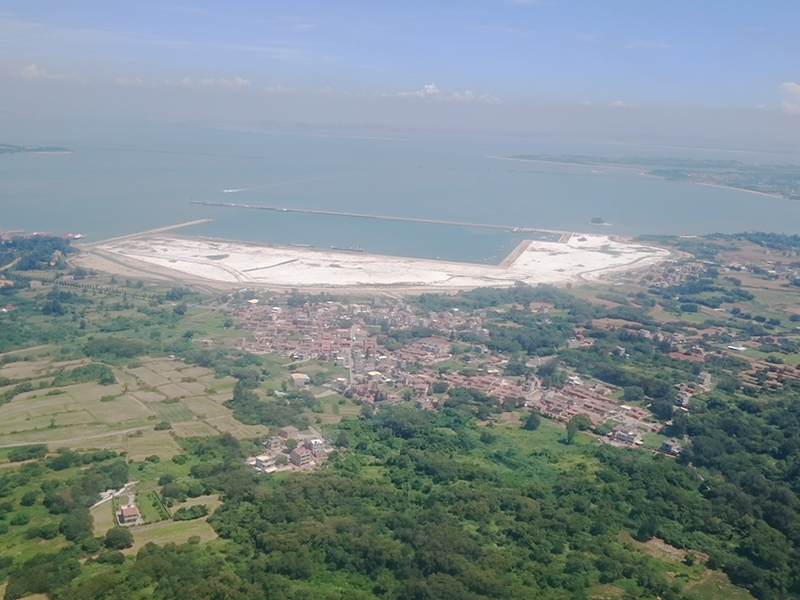
小三通、發展觀光都無法讓金門的經濟起色,前縣長李沃士引進民間參與公共建設,也就是俗稱的BOT,吊詭的是這麼富國利民的政策卻是秘密進行,也尚未公開招標,直到2013年3月,一組工程人員在浯江溪出海口填土時被在地環保人士阻擋後,才爆出縣政府至少有十二件的BOT案計畫,其中已發包的是機場外的風獅爺免稅商店街、以及太湖旁的金湖鎮商務旅館,林務所內的「綠色休閒渡假園區」則準備招標。從建國百年至今,金門藉地利之便釋出陸資進駐金門促進繁榮之說,引動土地價格水漲船高,帶動房市飆高。結果建設公司紛紛進駐金門,四處大興土木,剛成家的金門人買不起房子,只能看房東臉色付房租,就算買得起也只能選擇空間狹小的空寓。
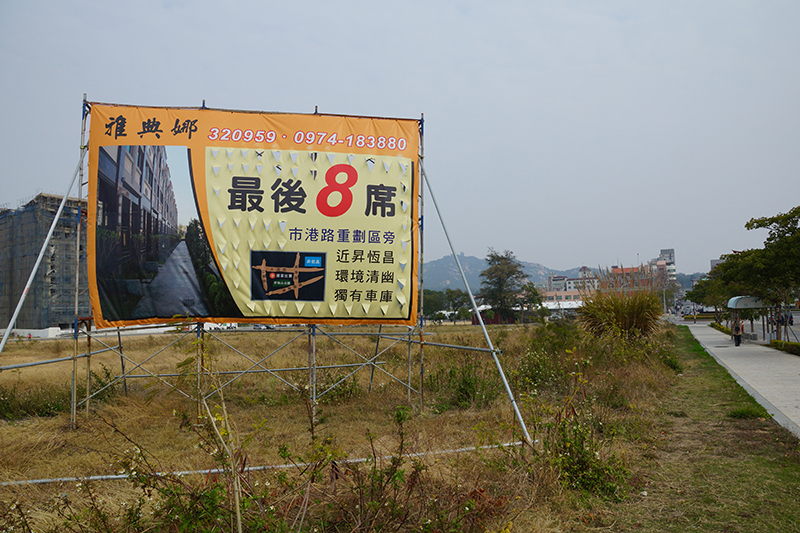
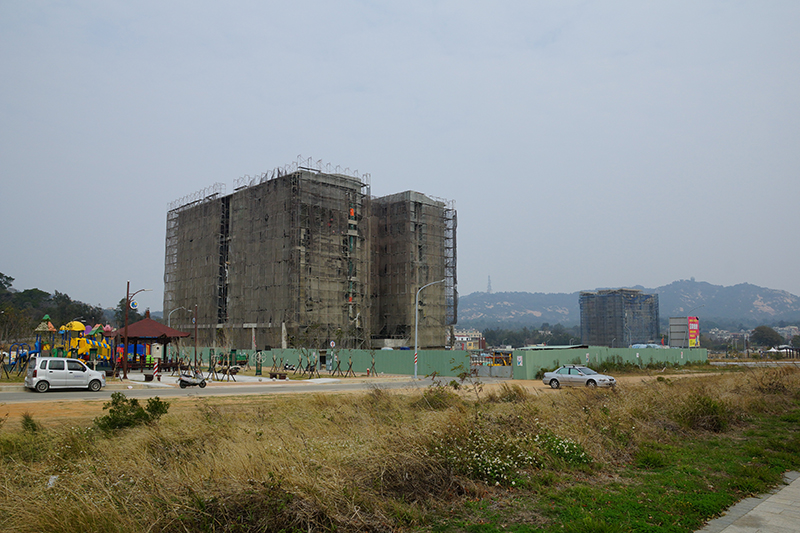
Neither the mini-three links nor the development of tourism could improve Kinmen’s economy. Former county magistrate Lee Wo-shi introduced private participation in public construction, commonly known as BOT. Ironically, such a policy that enriches the country and benefits the people was carried out in secret and was not yet open to public bidding. It was not until March 2013 that a group of engineers were blocked by local environmentalists while filling soil at the mouth of the Wujiang River. It was then revealed that the county government had at least twelve BOT projects, of which the Fengshiye duty-free shopping street outside the airport and the Jinhu Town Business Hotel next to Taihu Lake had been awarded, and the “Green Leisure Resort” in the Forestry Bureau was ready for bidding. Since the founding of the People’s Republic of China 100 years ago, Kinmen has taken advantage of its geographical location to promote the idea that mainland investment will enter Kinmen to promote prosperity, causing land prices to soar and driving the housing market to soar. As a result, construction companies flocked to Kinmen and started building projects everywhere. Kinmen residents who had just started a family could not afford to buy a house and could only pay rent to the landlord. Even if they could afford to buy a house, they could only choose a small apartment.
「廈門金門門對門」,土地面積與金門相近的廈門常住人口二百多萬,金門只有六萬左右,不到三公里的距離,一邊是高度都市化,一邊是農田原野、地大物博。金門有部份的人極度主張學習廈門,更基於血濃於水的因素希望金門大陸的經濟融為一體,認為只有如此才能完全提振金門的民生與生活水準,竟有人開始推動「自由經濟示範區」公投。
“Xiamen and Kinmen are door to door.” Xiamen, which has a similar land area to Kinmen, has a permanent population of more than two million, while Kinmen has only about 60,000. The distance is less than three kilometers. One side is highly urbanized, while the other side is farmland and wilderness with vast resources. Some people in Kinmen strongly advocate learning from Xiamen, and based on the principle of blood is thicker than water, they hope that the economy of Kinmen and the mainland can be integrated. They believe that only in this way can the people’s livelihood and living standards in Kinmen be fully boosted. Some people have even begun to promote a referendum on the “Free Economic Demonstration Zone.”
歷經這麼多的潮起潮落,開放觀光、小三通、BOT、炒房,乃至於今天的「自由經濟示範區」,一個大餅出現,一個希望落空。已驗證金門的發展不在建設,而在保存。民國82年解除戰地政務時,台灣人是抱持什麼心態想來金門的?幾十年的軍管,除了分發金門服役、申請勞軍的團體、參加金門戰鬥營的學生,及部份高階政府官員之外,絕大多數的台灣百姓無法前來金門,他們唯一的金門印象只有電影軍教片及電視新聞片段的畫面。那種「接近祖國大陸」,卻又森嚴肅殺的戰地神秘感,才是吸引他們花費四千多元機票代價來一探金門的動力。金門經歷軍管半世紀,造林讓每條道路成為綠色隧道,為備戰而建構,遍佈各地的營區、保存完整的閩南聚落、融合僑鄉風格的洋樓,這些足以讓人歎為觀止,何況金門還有源遠流長的歷史脈絡,加上生意盎然的自然生態,中華民國所轄台澎金馬之內,已很難找到一個像金門這樣有豐富資源的地方。來金門旅遊,不僅在知性上探索不盡,也可以是一種身心舒適的遊程。
After so many ups and downs, including the opening up of tourism, mini-three links, BOT, real estate speculation, and even today’s “free economic demonstration zone”, a big pie appears and a hope is dashed. It has been proven that Kinmen’s development lies not in construction but in preservation. When the wartime administration was lifted in 1993, what was the mentality of the Taiwanese people in wanting to come to Kinmen? Due to decades of military control, most Taiwanese people were unable to come to Kinmen, except for those assigned to serve in Kinmen, groups applying for service in the military, students participating in the Kinmen Combat Camp, and some high-ranking government officials. Their only impression of Kinmen was the images in military education movies and television news clips. The mysterious feeling of a battlefield that is “close to the mainland of the motherland” yet solemn and murderous is what attracts them to spend more than 4,000 yuan on air tickets to explore Kinmen. Kinmen has experienced martial law for half a century. Afforestation has turned every road into a green tunnel. It was built in preparation for war. The military camps scattered all over the place, the well-preserved Minnan settlements, and the Western-style buildings that incorporate the style of overseas Chinese are enough to make people amazed. What’s more, Kinmen has a long history and a thriving natural ecology. It is difficult to find a place as rich in resources as Kinmen within Taiwan, Penghu, Kinmen and Matsu under the jurisdiction of the Republic of China. Traveling to Kinmen is not only an intellectually exciting experience, but can also be a relaxing one for both the body and mind.
但很可惜的,金門人並沒有把握好這樣的時機與優勢。金門人一直缺乏安全感,一種怕觀光客嫌設施不足的安全感、怕遊樂設施不夠的安全感。所以觀光客少了,經濟蕭條了,就砍樹、拓寬馬路、開新路、蓋新房子…連機場都擴建了兩次。看看馬祖的南、北竿機場,機場大廳一如軍管時期,也沒看馬管處喊空間不夠。部隊撤走後,軍營釋出就被拆除,僥倖留存的則被活化,但活化的營區全失去原汁原味,看看披上亮麗外表的獅山砲陣地,這麼肅穆、全國唯一的坑道式榴砲陣地,將指揮所裝上有無線網路及咖啡吧的玻璃惟幕,還安排不知軍旅生涯為何的女兵跳砲操,這叫獅山砲陣地如何「威震金東」。
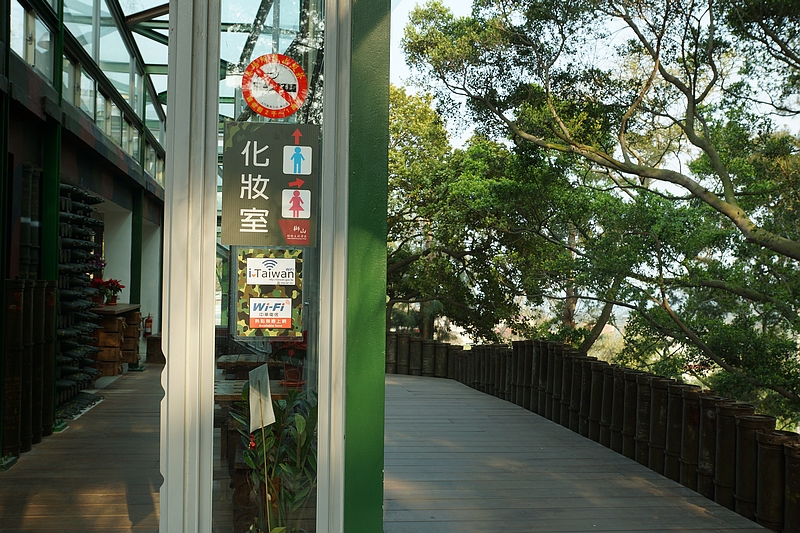
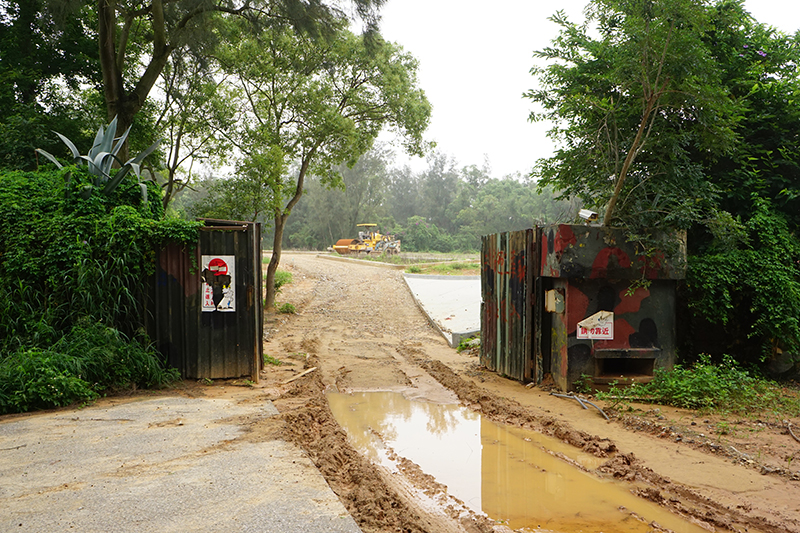
But unfortunately, the people of Kinmen did not seize this opportunity and advantage. The people of Kinmen have always lacked a sense of security, a sense of security that they are afraid that tourists will complain about the inadequate facilities and that there are not enough amusement facilities. So as there were fewer tourists and the economy was depressed, they cut down trees, widened roads, opened new roads, built new houses…even the airport was expanded twice. Looking at the Nangang and Beigang airports in Matsu, the airport halls remain the same as during the military control period, and there is no sign of the Matsu airport administration complaining about insufficient space. After the troops withdrew, the military camps were demolished, and those that were fortunately retained were revitalized, but the revitalized camps have lost all their original flavor. Look at the Shishan Artillery Position with a bright appearance, this solemn, only tunnel-type howitzer position in the country, the command post is equipped with a glass curtain with wireless network and a coffee bar, and female soldiers who have no idea what a military career is all about are arranged to perform artillery drills. This is how the Shishan Artillery Position “terrifies Jindong”.
十餘年前荒野保護協會花蓮關懷小組關切蘇花高速公路興建時,文宣資料「放慢花蓮的出路」有這麼一段話:「人們從來不會為了有條公路而造訪某處,他們來,是因為那裡有無限美景。」金門擁有「自然與人文的對話」之特色,人們來,是因為這個擁有「獨一無二」戰火洗禮的地方。可是島上不斷興建高樓、擴寬馬路、砍伐木麻黃,等於是消滅金門發展的資源。所以當人們來看到的卻是愈來愈像台灣的金門,戰地特色愈來愈淡薄,連曾在金門服役的軍友們,找不到故舊營區傷心,看到營區被「丑化」痛心,為了保存心中所剩那麼一點回憶,只好選擇不再踏足此地,這種衝擊就是金門優勢的喪失。
More than ten years ago, when the Wilderness Conservation Association’s Hualien Care Group was concerned about the construction of the Suhua Expressway, the promotional material “Slowing Down the Way for Hualien” had this sentence: “People never visit a place just for a highway. They come because there are infinite beautiful scenery there.” Kinmen is characterized by “a dialogue between nature and humanity.” People come here because of this “unique” place that has been baptized by war. However, the continuous construction of high-rise buildings, road widening and felling of Casuarina trees on the island is tantamount to destroying the resources for Kinmen’s development. So when people come here, they see Kinmen which looks more and more like Taiwan, and its battlefield characteristics are becoming less and less. Even the military comrades who once served in Kinmen are sad that they cannot find their old barracks, and are heartbroken to see the barracks being “vilified”. In order to preserve the few memories left in their hearts, they have no choice but to choose not to set foot here again. This impact is the loss of Kinmen’s advantages.
木麻黃由於耐貧瘠、抗風抗旱及生長快速的特性,國軍選為造林樹種,國軍造林啟動軍令,凡分配各部隊的樹苗皆有登記數量,種植後若有一株死亡,則處罰從輔導長連坐到營長,如此軍令如山之下,無數駐軍犧牲休假,才讓金門迅速變成一片綠蔭。金門解嚴後,幾小時就可以讓國軍數十年的心血夷為平地。民國88年丹恩颱風過境金門,吹倒不少木麻黃,金門縣政府索性將其他未倒的木麻黃伐除,理由是「木麻黃只有30年壽命,已經老化,必須伐除以防倒木壓到行人。」關於這個論點,我要還木麻黃一個清白。任何生物,不論動物植物,老化便是生育能力的逐漸喪失。任何喬木、木本植物,其壽命到百年、千年都沒有問題。木麻黃是大喬木,它在金門不過40年,之所以有30年便衰退的說法,是因為它常被用於海岸防風林,海岸地區土壤深層便是海水,木麻黃是深根性樹種,30年其根系便深入土層接觸海水,受鹽化影響便開始衰退。金門的木麻黃並沒有這個問題,而且年年開花結果,林下小苗遍佈。除了種子發芽,被伐除的木麻黃,樹頭仍會冒出枝幹長成大樹,所以木麻黃並沒有老化,而且它夏日防曬、冬季擋風,木麻黃樹海與綠色隧道一向是金門戰地文化的特色之一,它所造成的陣地隱密性賦與戰地特色的神秘感,至今也找不到像木麻黃這樣如此適合金門。至於風倒木問題,沒有一種樹木遇颱風能不倒的,何況前面數年的大肆伐木,讓許多成林的木麻黃變成孤立狀態,遇強風當然容易被吹折。
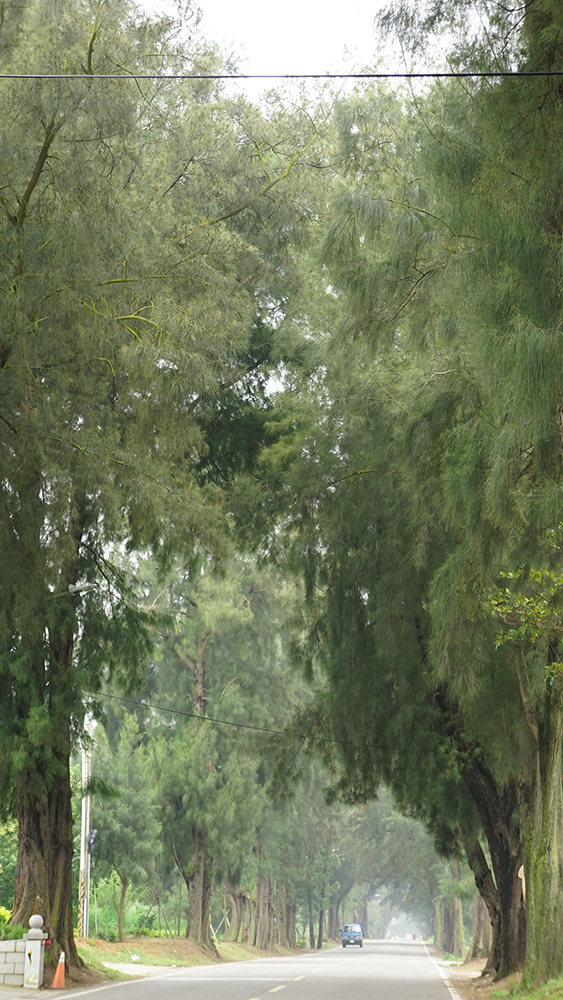
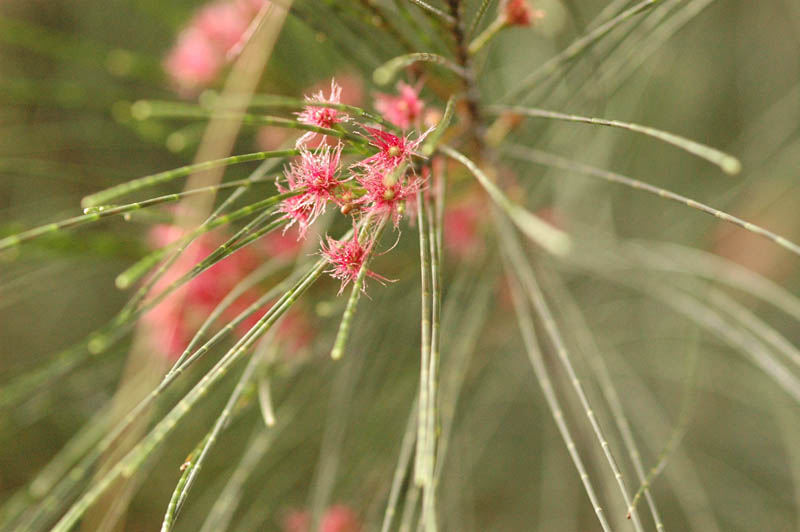
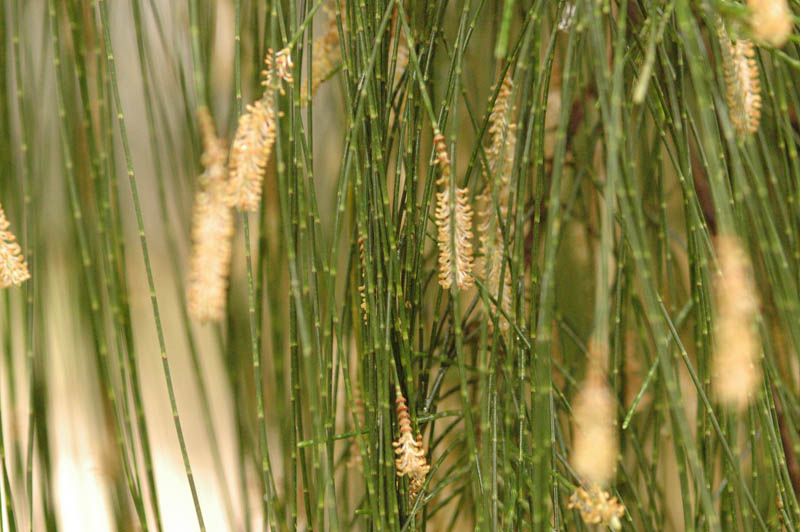
Casuarina was selected as a tree species for afforestation by the National Army due to its tolerance to barrenness, wind and drought, and rapid growth. The National Army issued a military order to initiate afforestation, and the number of saplings distributed to each unit was registered. If one sapling died after planting, the punishment would be imposed from the counselor to the battalion commander. With such a military order like a mountain, countless garrison troops sacrificed their time and vacations, and only then did Kinmen quickly become a green canopy. After the lifting of martial law in Kinmen, decades of hard work by the national army were razed to the ground in just a few hours. In 1999, Typhoon Dan passed through Kinmen and blew down many Casuarina trees. The Kinmen County Government simply cut down the remaining Casuarina trees, saying that “Casuarina trees only have a lifespan of 30 years and are already old. They must be cut down to prevent the fallen trees from crushing pedestrians.” Regarding this argument, I want to clear the name of the Casuarina trees. For any living thing, whether animal or plant, aging is the gradual loss of fertility. Any tree or woody plant can live for a hundred or even a thousand years. Casuarina is a large tree. It only lives for 40 years in Kinmen. The reason why it is said to decline in 30 years is that it is often used in coastal windbreaks. The deep soil in coastal areas is sea water. Casuarina is a deep-rooted tree species. Its roots will penetrate deep into the soil and come into contact with sea water in 30 years. It will begin to decline due to salinization. The Casuarinas in Kinmen do not have this problem. They bloom and bear fruit every year, and small seedlings are everywhere under the forest. In addition to seed germination, the felled Casuarina trees will still have branches and trunks that grow into large trees, so the Casuarina trees do not age. Moreover, they provide sun protection in summer and wind protection in winter. The Casuarina trees and green tunnels have always been one of the characteristics of Kinmen’s battlefield culture. The secrecy of the positions they create gives the battlefield a mysterious feel. So far, no tree has been found that is as suitable for Kinmen as the Casuarina trees. As for the problem of fallen trees, no tree can remain untouched by a typhoon. Moreover, the large-scale logging in the past few years has left many Casuarina forests isolated, which are of course easily blown down by strong winds.
金門人並不愛看電影,在十幾年前最後一家電影院關門大吉之後便不再出現戲院,偏偏目前兩個BOT案都有影城,兩個BOT都是免稅商店街。「人們不會因為這有便捷的馬路而來金門」,同理,「人們不會因為這裡有影城及免稅商店街而來金門」。其中一個風獅爺商店街離機場將近一公里,有哪一個觀光客會在候機時走那麼遠的路買東西逛街,中山路的開闢原就破壞中山林的完整性,數百株木麻黃的冤死竟是為了一個經濟效益不高的免稅商店區。兩個BOT的電影院與百貨專櫃,一樣的門可羅雀,除了讓縣政府有個豪華的開會場所外,沒有太多的用處。而且在金門這樣樸實的城鎮,太湖如此明媚的山水,樹立如此龐大的百貨大樓,大傷風雅之外,還有衛生的疑慮。
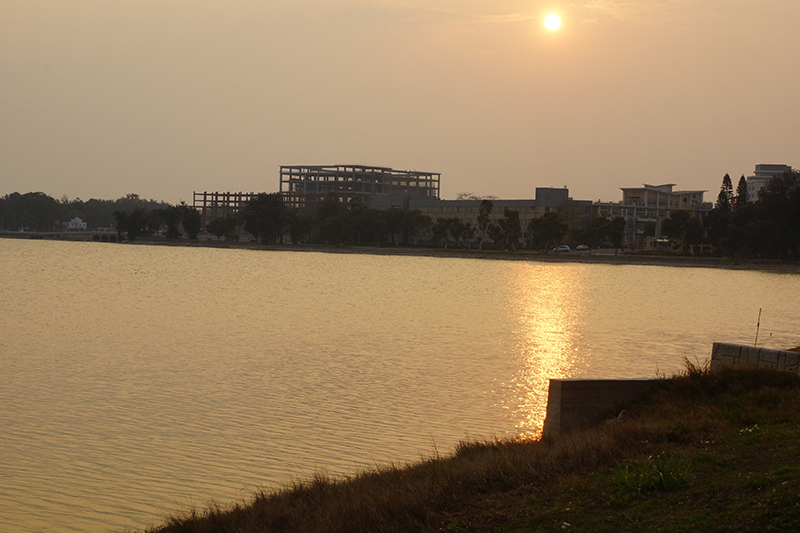
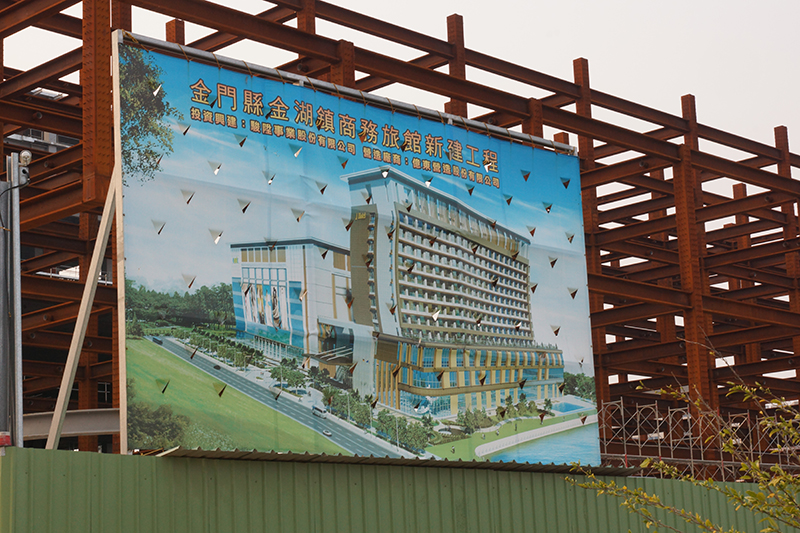

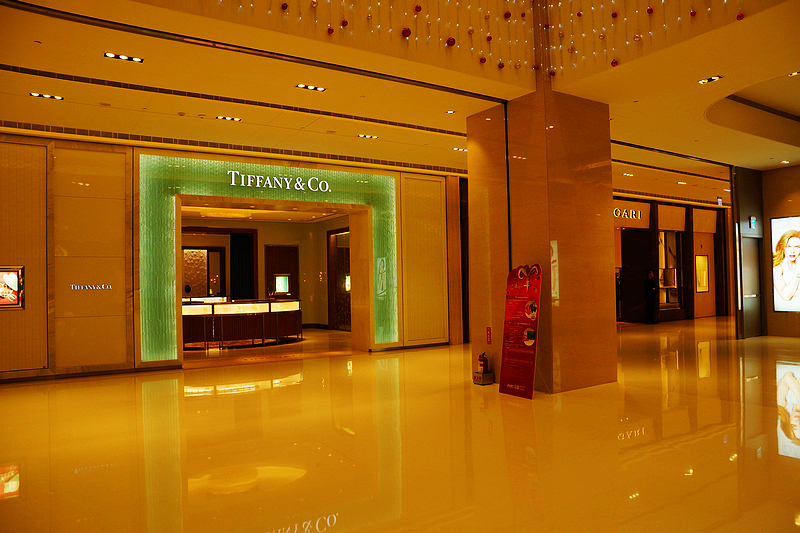
People in Kinmen do not like to watch movies. After the last cinema closed down more than ten years ago, there have been no more theaters. However, both BOT projects currently have cinemas, and both BOTs are duty-free shopping streets. “People will not come to Kinmen because it has convenient roads.” Similarly, “people will not come to Kinmen because it has movie studios and duty-free shopping streets.” One of the Fengshizi shopping streets is nearly one kilometer away from the airport. Which tourist would walk such a long way to buy things and go shopping while waiting for a flight? The development of Zhongshan Road originally destroyed the integrity of the Zhongshan forest. Hundreds of Casuarina trees died unjustly for a duty-free shopping area with low economic benefits. The two BOT cinemas and department store counters are equally deserted. Apart from providing the county government with a luxurious meeting place, they are not of much use. Moreover, in a simple town like Kinmen, with such beautiful scenery as Taihu Lake, building such a huge department store would not only be a great loss of elegance, but also raise concerns about hygiene.
金門的基礎建設其實足夠,人們需要的也不是這些。但執政者一直認為只要做了什麼東西,就能吸引人們前來。事實上,是這裡有什東西吸引人,人們才願意來。
Kinmen’s infrastructure is actually sufficient, and this is not what people need. But those in power have always believed that as long as they do something, they can attract people. In fact, people are willing to come here because there is something attractive.
大金、小金與金莎的明星光環,讓金門水獺保育問題浮上檯面,也透露目前金門炒地炒房的隱憂。由於房價高漲,使得房市投資熱絡,只要有土地就到處蓋房子,這使得原本景觀就已經斑駁的金門更不堪入目。最近東村有棟金門難得一見的雙喜窗櫺洋樓,土地擁有者竟在洋樓與宗祠的院落前開工建樓房,將來這棟洋房失去天際線的景觀,也喪命在現代化樓房的掩蓋之下。金門自古以來培育了那麼多的文學家、藝術家,但為了現代化與炒房,金門人的美學真是難以恭維。但重點是,這些房子蓋出來卻不是給人住的。有多少金門人買不起房子,有多少新一代的金門家庭被迫住進高樓公寓。過去夏夜兒童睡在四合院天井,細數天上繁星中入睡,徜徉於藍天綠地的田野中已成夢碎。在這個處身自然的離島鄉間,無法享受居住獨棟獨院房宅的寬敞舒適,卻要像台北人一樣寸土寸金,是相當諷刺的。
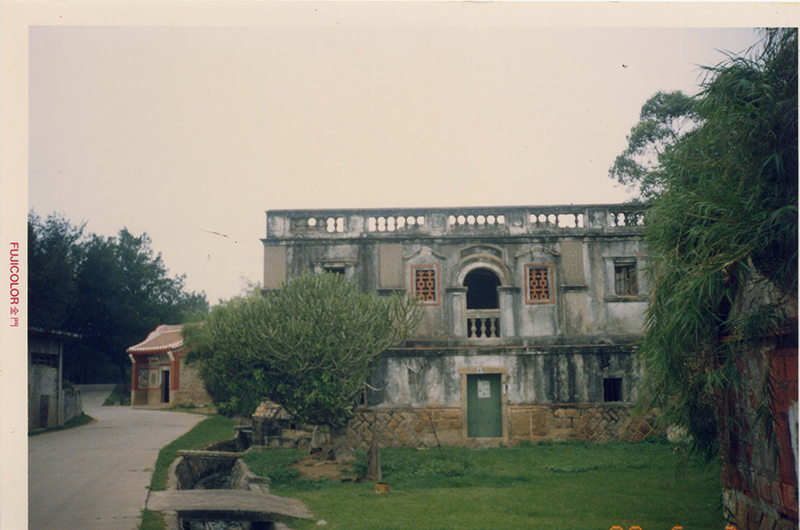
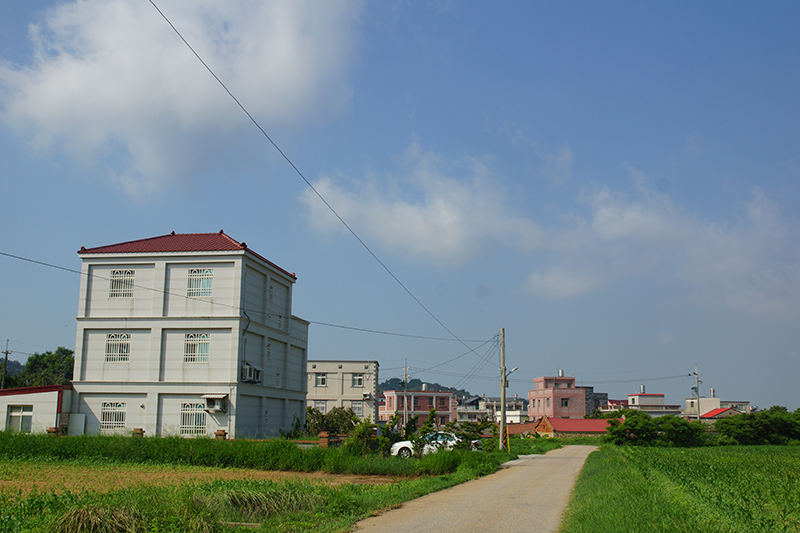
The star halo of Da Jin, Xiao Jin and Jin Sha has brought the issue of otter conservation in Kinmen to the fore, and also revealed the current concerns about land and housing speculation in Kinmen. Due to the soaring housing prices, investment in the real estate market has become hot, and houses are being built everywhere as long as there is land. This has made Kinmen, which already has a mottled landscape, even more unsightly. Recently, there is a Western-style building with double-happiness windows in Dongcun, which is rare in Kinmen. The land owner has started to build a building in front of the building and the courtyard of the ancestral hall. In the future, this building will lose its skyline view and will be covered by modern buildings. Kinmen has nurtured so many writers and artists since ancient times, but in the pursuit of modernization and real estate speculation, the aesthetics of Kinmen people is really hard to praise. But the point is, these houses are not built for people to live in. How many Kinmen people cannot afford to buy houses, and how many new generation Kinmen families are forced to live in high-rise apartments. In the past, children slept in the courtyard on summer nights, and fell asleep while counting the stars in the sky. Now their dreams of wandering in the fields under the blue sky and green land have been shattered. It is quite ironic that in this rural island surrounded by nature, we cannot enjoy the spaciousness and comfort of living in a detached house with a courtyard, but have to live in a place as expensive as people in Taipei.
四面八方的工程讓金門保育類一級動物「歐亞水獺」面臨危機,去年四起路殺事件、一件工程讓三隻小水獺流落異鄉,而威脅水獺最大的南莒湖BOT案卻未停工。水獺的棲地需要大面積,相互連結、低污染且食物豐富、週邊有植被及天然地形遮蔽及低度干擾的海岸、溪流、湖泊、沼澤。這類型的環境往往因開發而遭破壞消失,或因農、工業污染,導致歐亞水獺在歐亞地區不論數量或分布地區都快速下降。因此有歐亞水獺棲息的地方,政府民間都視若珍寶。英國政府積極改善濕地、河流水質及棲地環境,野禽及濕地信託基金會(The Wildfowl & Wetlands Trust,簡稱WWT)為挽救水獺免於滅絕,以募款方式購買濕地做為保護區,水獺終在2007年出現倫敦市區,WWT則以收費方式推動濕地生物觀察生態旅遊。WWT不僅是英國最大的國際性質的濕地保護組織,也是英國公、私部門濕地諮詢的專業對象,WWT除了以保育濕地物種為主要工作外,並帶領民眾體驗觀察濕地生物如小爪水獺的行為生態,每位參觀者收取12.75英磅(約合新台幣600元),為該基金會賺取收益。金門擁有歐亞水獺,且研究指出,棲息的密度高過歐亞其他地區的調查。水獺的萌樣對觀光來說是很好的生財工具,金門人怎麼可以不珍惜這麼寶貴的物種。
Projects coming from all directions have put Kinmen’s first-class protected animal, the Eurasian otter, in danger. Last year, four roadkill incidents and one project left three little otters stranded in a foreign land. However, the Nanju Lake BOT project, which poses the greatest threat to otters, has not been suspended. Otters need large, interconnected, low-pollution, food-rich coasts, streams, lakes, and swamps that are surrounded by vegetation and natural terrain for shelter and minimal disturbance. This type of environment is often destroyed or eliminated due to development, or due to agricultural and industrial pollution, resulting in a rapid decline in the number and distribution of Eurasian otters in Eurasia. Therefore, places where Eurasian otters live are regarded as treasures by both the government and the public. The British government actively improves wetlands, river water quality and habitat environment. In order to save otters from extinction, the Wildfowl & Wetlands Trust (WWT) raised funds to purchase wetlands as protection areas. Otters finally appeared in London in 2007, and WWT promoted wetland biological observation ecotourism by charging fees. WWT is not only the largest international wetland protection organization in the UK, but also a professional wetland consultant for the UK public and private sectors. In addition to conserving wetland species as its main work, WWT also leads the public to experience and observe the behavioral ecology of wetland creatures such as the small-clawed otter. Each visitor is charged 12.75 pounds (approximately NT$600) to earn income for the foundation. Kinmen is home to Eurasian otters, and studies have shown that the population density is higher than surveys in other parts of Eurasia. The cute appearance of otters is a great tool for making money for tourism. How can the people of Kinmen not cherish such a precious species?
研究指出,前埔溪、金沙®后水溪流域的水獺族群相當高,而且排遺微衛星DNA標定的結果,證實單隻雄水獺的行動距離,可從東半島的東、西村一帶跑到西北角的慈湖,也就是說,保育水獺不僅要保下南莒湖,還要以金門全島為考量,這反應到目前炒房的亂象。中華民國島嶼愛鄉協會現在發起的水獺保育連署,主題「保育水獺,保障金門的未來」,人與水獺,面臨的都是沒有家的問題。保育了水獺,就得留住金門的自然風貌,也留住金門的優勢。不要以為只要保存幾個代表性的營區、聚落就夠了,那無法吸引人們不遠千里而來。發掘不完的軍事營區、聚落裡特色不斷的古厝洋樓、隨時遇見野鳥水獺的驚喜、以及步調緩慢、清新開闊的生活環境,才是人們不斷造訪金門的主因。
The study pointed out that the otter population in the Qianpu River and Jinsha® Houshui River basins is quite high, and the results of herpes simplex microsatellite DNA calibration confirmed that a single male otter can move from the Dongcun and Xicun areas of the eastern peninsula to Cihu in the northwest corner. In other words, to conserve otters, we must not only protect Nanju Lake, but also consider the entire island of Kinmen. This reflects the current chaos in real estate speculation. The Republic of China Island Patriotic Association has now initiated a petition for otter conservation with the theme of “Conserving otters, safeguarding Kinmen’s future.” Both humans and otters are facing the problem of having no home. To conserve otters, we must preserve Kinmen’s natural landscape and its advantages. Don’t think that preserving a few representative camps and settlements is enough; that won’t attract people from far away. The endless military camps to explore, the unique old houses and western-style buildings in the settlements, the surprise of encountering wild birds and otters at any time, and the slow-paced, fresh and open living environment are the main reasons why people continue to visit Kinmen.
金門整體發展,推動世界遺產,跟聚落景觀息息相關,政府不要一面喊著推動世遺,一面任由民眾毫無美感地大興土木,民眾需要教育,為政者不應只有凡事順應民意而已;也不要消極以為不是聯合國會員國就不能推動世遺,日前屏東縣舊好茶部落的石板屋群,就被世界建築文物保護基金會列為守護名單,雖然不是聯合國教科文組織認可的,一樣吸引全球的目光,可為金門借鏡。
The overall development of Kinmen and the promotion of world heritage are closely related to the settlement landscape. The government should not shout about promoting world heritage while allowing the people to build projects without any aesthetic sense. The people need education, and those in power should not just follow public opinion in everything. They should also not be passive and think that they cannot promote world heritage because they are not a member of the United Nations. Recently, the slate house group of the Jiuhaocha Village in Pingtung County was listed on the protection list by the World Monuments Fund. Although it is not recognized by UNESCO, it still attracts global attention and can serve as a reference for Kinmen.
陳縣長在水獺保育研討會後,宣示保育水獺。但水獺的生存繫於全島水域的維護,他知道麼?前埔溪是水獺生存的命脈,他知道麼?陳縣長在競選時表示反對BOT,也動員過群眾抗議綠色休閒渡假村的開工。但如果炒房依舊、南莒湖的案子不解約,水獺三兄妹怎麼返鄉?陳縣長如何重視生態與文化?我不相信,我真的不相信!
After the otter conservation seminar, County Mayor Chen declared his commitment to protecting otters. But did he know that the otter’s survival depended on the maintenance of the island’s waters? Does he know that Qianpu Creek is the lifeline of otters? During his election campaign, County Mayor Chen expressed his opposition to BOT and also mobilized the masses to protest the start of construction of the Green Leisure Resort. But if real estate speculation continues and the Nanju Lake case is not terminated, how will the three otter siblings return home? How does County Mayor Chen attach importance to ecology and culture? I don’t believe it, I really don’t believe it!
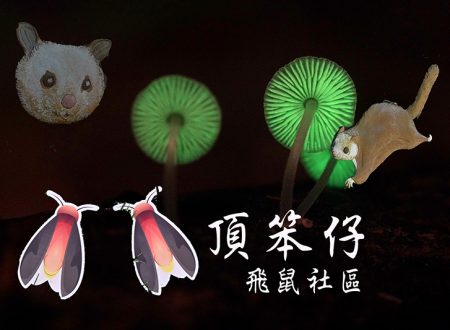
台灣已經有許多社區,運用在地資源而發展的例子。墾丁梅花鹿復育成功,社頂部落以其作為夜間觀察遊程之一,並成立龜仔角低碳餐廳,提供當地風味餐,強調低碳、環保與在地食材。雖然部落每日限100名的方式總量管制,預約的遊客仍絡繹不絕,為社區賺取相當多的收入。社頂生態旅遊發展的成功,於2015年榮獲環保署「國家環境教育獎」特優獎。嘉義光華村頂笨仔生態社區,2006年接受交通部觀光局阿里國家風景區導經營生態旅遊,訓練社區解說員,巧妙運用社區四季不同的生態,帶領民眾欣賞夏螢、冬螢、雨季的螢光蕈、乾淨的星空、溪流中的鯝魚,並首創國內夜間觀察飛鼠的遊程,成為熱門觀光社區之一。
There are already many examples of communities in Taiwan that have developed by utilizing local resources. The restoration of Kenting’s sika deer has been successful, and the Sheding tribe has included it as one of the night observation tours. They have also established the Guizijiao low-carbon restaurant, which provides local-style meals with an emphasis on low carbon, environmental protection, and local ingredients. Although the tribe has a total limit of 100 visitors per day, there is still a steady stream of tourists who have made reservations, earning considerable income for the community. The success of Sheding’s eco-tourism development won it the Special Award of the Environmental Protection Agency’s “National Environmental Education Award” in 2015. Dingbenzi Ecological Community in Guanghua Village, Chiayi, accepted the guidance of the Ministry of Transportation and Communications’ Tourism Bureau in 2006 to operate ecotourism in the Ali National Scenic Area. It trained community guides and cleverly used the community’s different ecology in four seasons to lead the public to appreciate summer fireflies, winter fireflies, fluorescent mushrooms in the rainy season, the clean starry sky, and silver carp in the stream. It also pioneered the country’s first night tour to observe flying squirrels, becoming one of the most popular tourist communities.
這種成功例子在台灣例子繁多,金門難道還要繼續扼殺自身優勢換取繁榮?設立賭場麼?不可能的。馬祖去年公投通過設立觀光賭場的訴求,結果賭場還是沒設立,卻讓一位現任縣長無法連任。馬祖不論交通、腹地、客源都不利賭場設立,懷德公司其實無意在馬祖投資,它只是要藉公投推動博奕立法,並取得營業資格,然後再觀望本島設立賭場合法化的可能性。馬祖人也知道設立賭場可能性不高,但每個月數萬的回饋金不無小補,若跳票也沒有損失,整個公投根本就是一個自欺欺人的騙局,金門還要走一遍麼?
There are many such successful examples in Taiwan. Does Kinmen have to continue to stifle its own advantages in exchange for prosperity? Setting up a casino? Impossible. Last year, Matsu passed a referendum to establish a tourist casino, but in the end the casino was not built, which prevented the current county magistrate from being re-elected. Matsu’s transportation, hinterland and customer base are not conducive to the establishment of casinos. In fact, Wilder Company has no intention of investing in Matsu. It just wants to use the referendum to promote gambling legislation and obtain business qualifications, and then wait and see the possibility of legalizing the establishment of casinos on the main island. The people of Mazu also know that the possibility of setting up a casino is not high, but the tens of thousands of rebates every month are a small supplement, and there is no loss if the payment is bounced. The entire referendum is simply a self-deceiving scam. Do we still have to go through Kinmen again?
台灣宜蘭縣礁溪鄉龍潭村:原本分布於台灣的淡水魚種「圓吻鯝魚」,民國79年認定這種魚已絕種。但隔了四、五年在宜蘭縣龍潭湖被發現,引起龍潭村村民重視。湖中圓吻鯝魚每到端午節前後,會集體上溯龍潭湖附近的四條野溪產卵。四條野溪有三條常因天候而缺水,僅有的一條終年有水,卻在豪雨中崩塌。居民因此向農委會水土保持局申請農村再生基金,利用石板互相連接自行設計魚道,每隔一段距離設計一個小水池供魚中途休息之用。由於圓吻鯝魚上溯時會利用腹部與溪床的磨擦刺激排卵,因此魚道水位設計很淺。果然圓吻鯝魚利用集體上溯,由於牠們是採合作停留魚道兩側迫使中間水道水位上升,幫助後面一批魚群游動,因此在端午節前後,可見大批圓吻鯝魚「擱淺」魚道的奇觀,經新聞批露,吸引民眾前來目睹。龍潭在李志文村長的帶領下,由小學生與村中婦女、老人們利用閒暇美化裝飾社區,主要以魚做圖騰。龍潭湖環湖步道完成後,愈來愈多人前來旅遊,村民也開始義務解說,繁殖季時並輪流巡視魚道。龍潭村民樂於與遊客分享,並未對遊客收費,也不廣招遊客前來。他們不要旅遊蓬勃發展,藉此賺取更多收入。他們只是想保有這個珍貴的物種、自然的生態與過著寧靜的山村生活。龍潭村民知道生活在優美環境中的可貴,也有愈來愈多台灣的社區開始珍惜他們擁有的自然生態。那麼擁有自然美景、生活步調緩慢的金門人,又有什麼理由去學廈門與台灣的繁華呢?
Longtan Village, Jiaoxi Township, Yilan County, Taiwan: The round-nosed catfish, a freshwater fish species originally distributed in Taiwan, was declared extinct in 1980. But four or five years later it was discovered in Longtan Lake in Yilan County, attracting the attention of the villagers of Longtan Village. Around the Dragon Boat Festival, the round-nosed carp in the lake will collectively swim upstream to the four wild streams near Longtan Lake to spawn. Three of the four wild streams are often short of water due to weather conditions, and the only one has water all year round, but it collapses during heavy rains. The residents therefore applied for the Rural Regeneration Fund from the Soil and Water Conservation Bureau of the Council of Agriculture, and designed their own fishways using stone slabs connected to each other, with small ponds at regular intervals for the fish to rest during the journey. Since the roundmouth catfish uses the friction between its abdomen and the stream bed to stimulate ovulation when swimming upstream, the water level in the fishway is designed to be very shallow. As expected, the round-nosed catfish used the collective upstream movement. They cooperated to stay on both sides of the fishway to force the water level in the middle waterway to rise, helping the group of fish behind to swim. Therefore, around the Dragon Boat Festival, a large number of round-nosed catfish could be seen “stranded” in the fishway. The spectacle was exposed in the news and attracted people to come and witness it. Under the leadership of the village chief Li Zhiwen, primary school students, women and elderly people in the village use their spare time to beautify and decorate the community, mainly using fish as totems. After the completion of the Longtan Lake Ring Trail, more and more people came to visit, and villagers also began to provide voluntary explanations and take turns patrolling the fishway during the breeding season. The villagers of Longtan are happy to share with tourists. They do not charge them and do not recruit tourists widely. They don’t want tourism to flourish so they can earn more income. They just want to preserve this precious species, the natural ecology and live a peaceful mountain village life. The villagers of Longtan know how precious it is to live in a beautiful environment, and more and more communities in Taiwan are beginning to cherish the natural ecology they have. So what reason do the people of Kinmen, who have beautiful natural scenery and a slow pace of life, have to emulate the prosperity of Xiamen and Taiwan?
或者推動自由經濟示範區?有多少金門人知道,這個示範區允許陸資在金門設廠設資、生產的貨物卻要轉運回大陸,金門付出的只有環境的破壞與經濟的更加蕭條。經歷了砍樹、開馬路、小三通與炒房,金門人難道還不覺醒麼?
許多人認為只要把金門建設成另一個廈門,就沒有民生問題了。這個論點沒有錯,但我只能說:對金門,可惜了。金門失去了累積千年的歷史能量,失去了世人珍賞的水獺。慘的是,如果到時還無法改善金門民生問題,那麼金門已無優勢可以回頭了。
Or promote free economic demonstration zones? How many people in Kinmen know that this demonstration zone allows mainland capital to set up factories and investments in Kinmen, but the goods produced must be shipped back to the mainland. The only thing Kinmen has to pay for is environmental damage and a more depressed economy. After experiencing tree cutting, road construction, mini-three links and real estate speculation, haven’t the people of Kinmen woken up yet?
Many people believe that as long as Kinmen is built into another Xiamen, there will be no livelihood issues. This argument is not wrong, but I can only say: what a pity for Kinmen. Kinmen has lost the historical energy accumulated over thousands of years and the otters that are treasured by the world. The sad thing is that if Kinmen’s people’s livelihood issues cannot be improved by then, then Kinmen will no longer have any advantages to turn back.